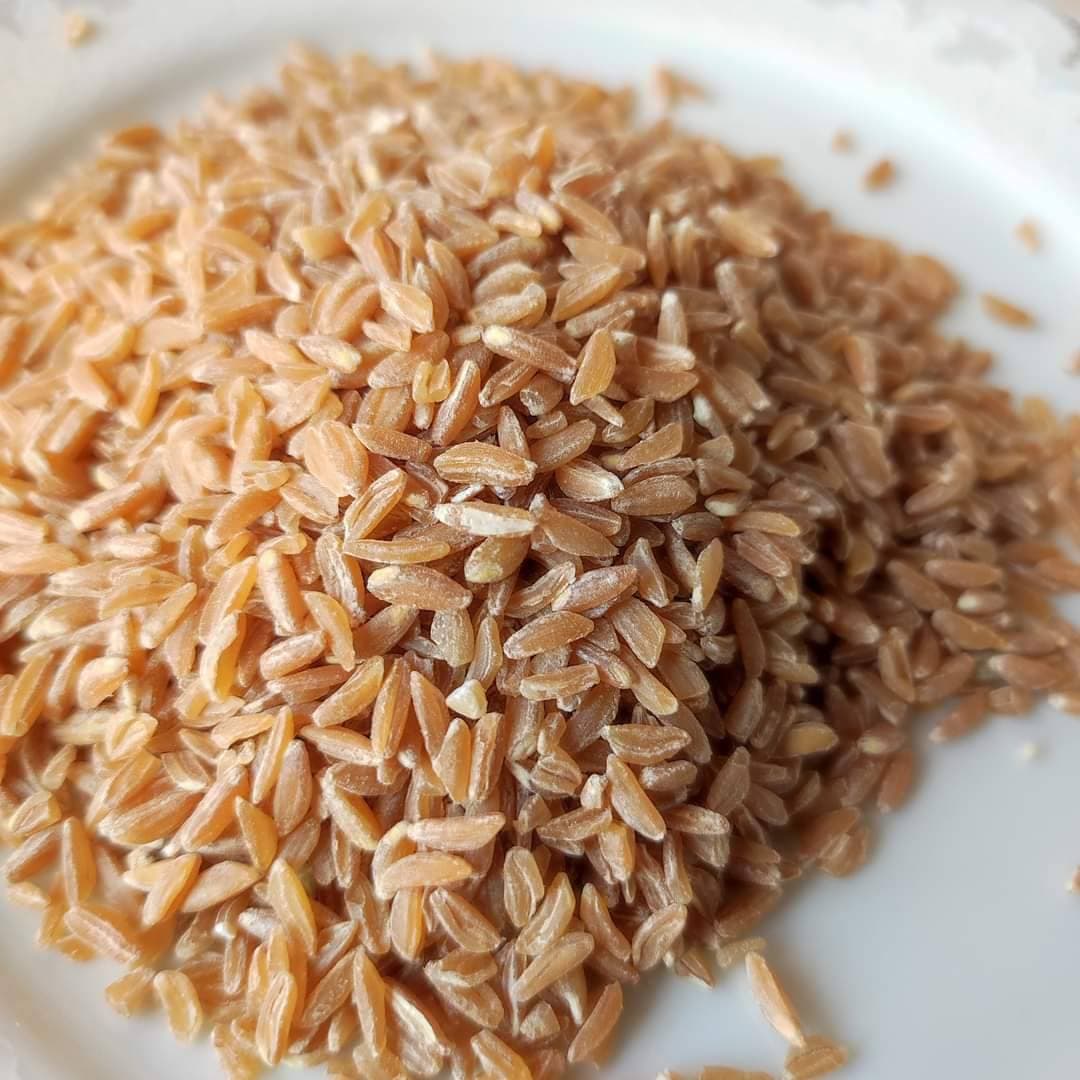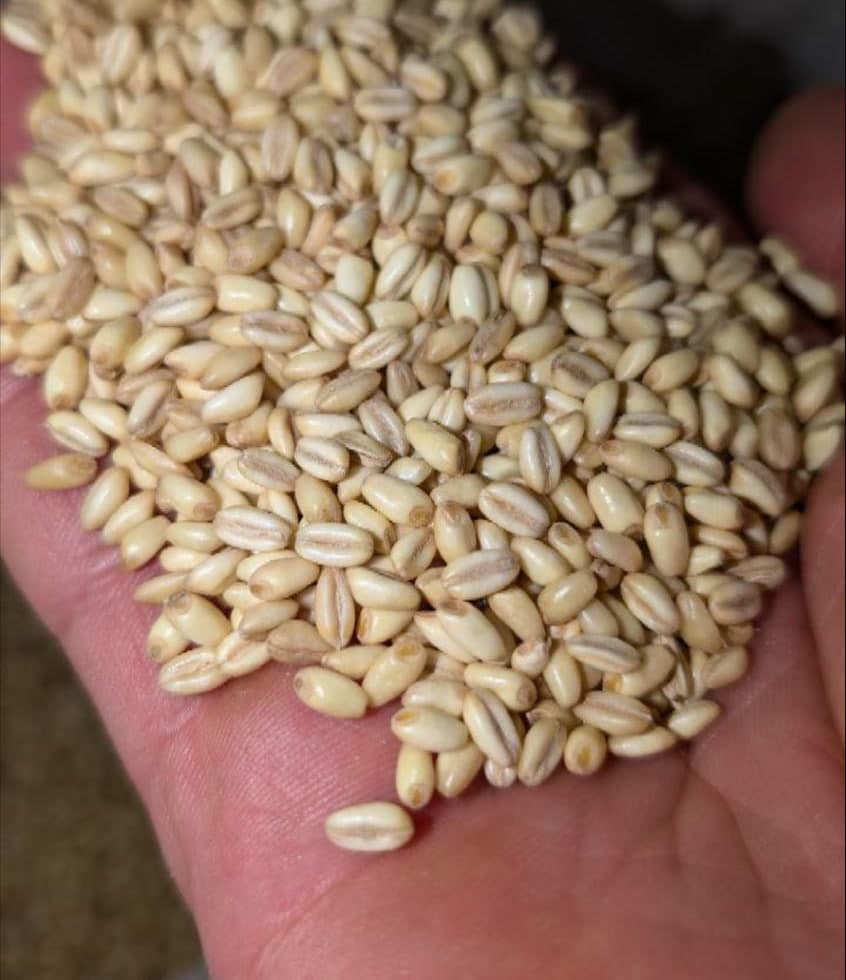
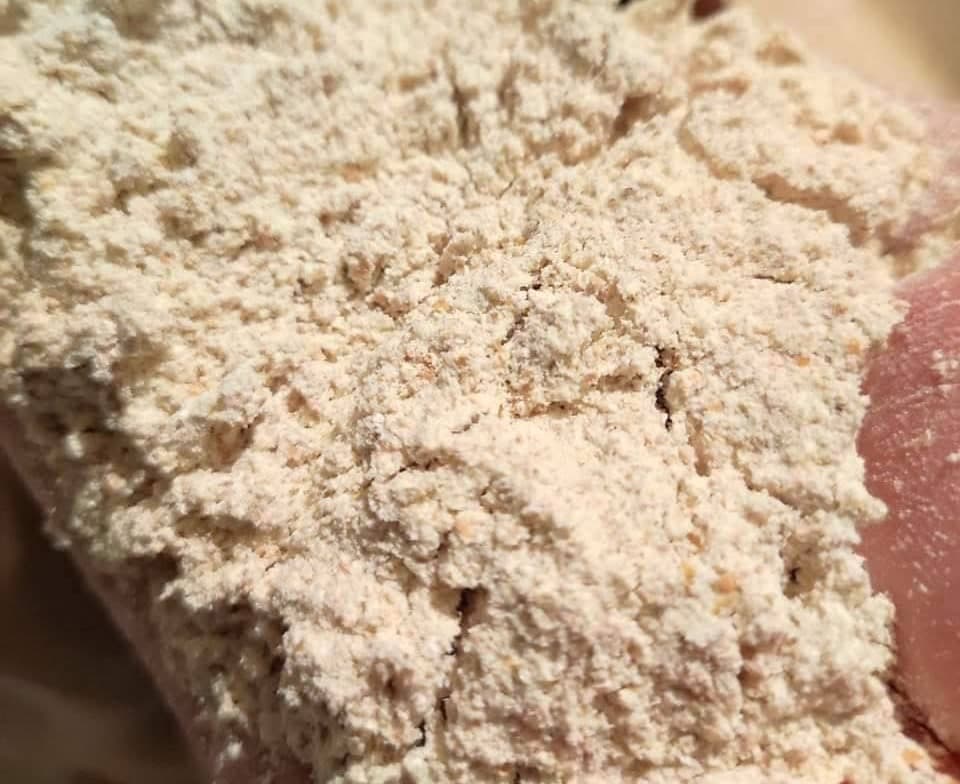
Whole-grain flour
A natural and nutritious choice
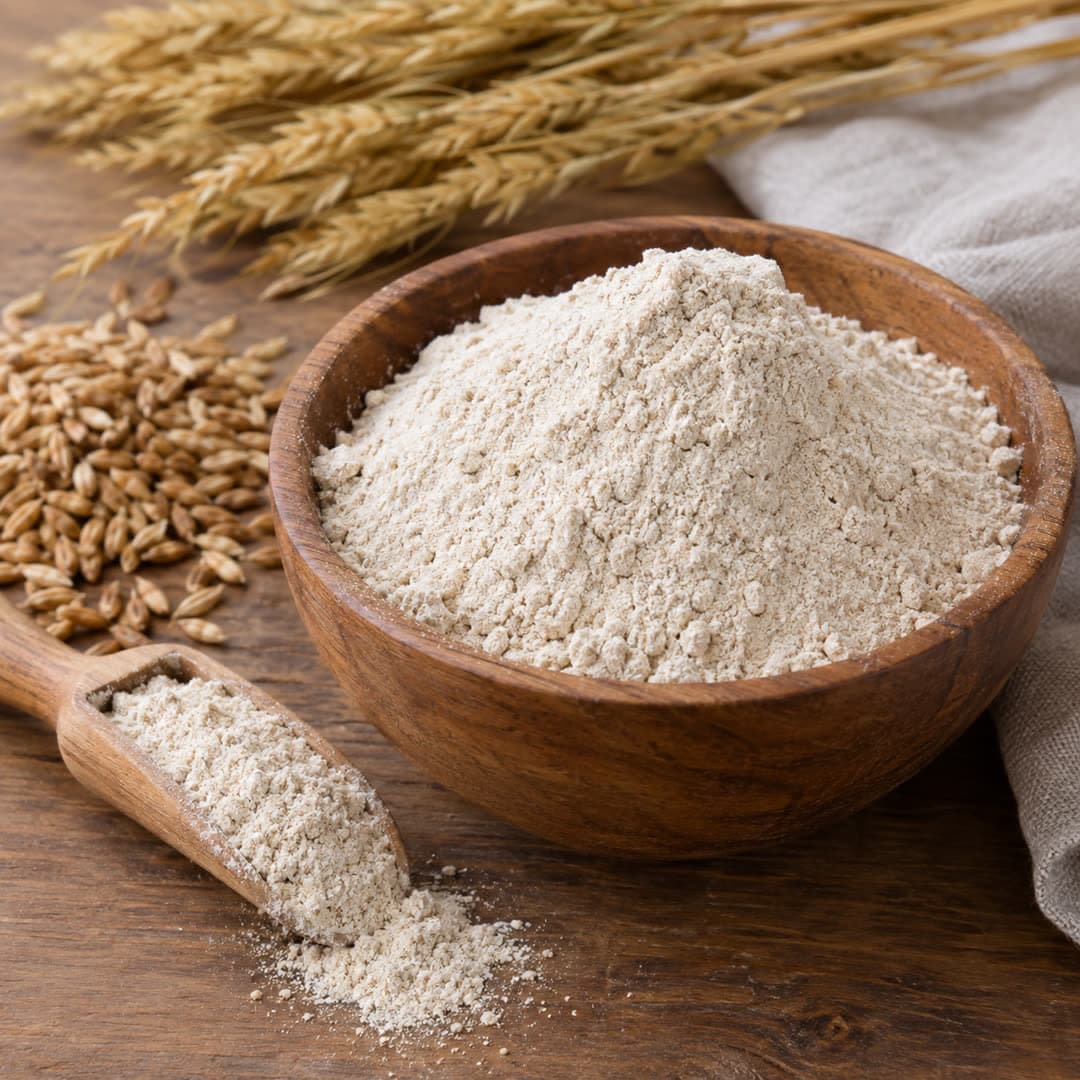
Whole-grain flour is milled from the entire wheat kernel, preserving all its beneficial components — vitamins, minerals, and fiber. Ideal for homemade bread, pies, and wholesome baking: the bread comes out with a full taste and rich aroma.
- Made from high-quality wheat with no chemical additives.
- Retains all the beneficial elements of the grain: vitamins, minerals, and fiber.
- A great fit for anyone pursuing a healthy lifestyle.
Price: 400 AMD/kg
Choose a bag size and quantity
Delivery and ordering
- Sold in 3, 5, or 10 kg bags.
- Delivery in Yerevan and across Armenia.
- Delivery to your building (500 AMD)
- Delivery to your door (1,000 AMD)
Specifications
| Grain | Wheat |
|---|---|
| Form | Flour |
| Origin | Hatis village, Kotayk Province, Armenia |
| Packaging | 3, 5, or 10 kg bags |
| Price | 400 AMD/kg |
| Additives | No chemical additives |
How to bake with whole-grain flour
Whole-grain flour absorbs more water than white flour, because of the bran particles it still carries. Baking an ordinary recipe with it, the dough usually wants a little more liquid, and it pays to let the dough rest for 20-30 minutes after mixing so the bran can take that water up. Skip the rest and the dough feels right while you knead it, but the loaf bakes out dry.
It is at its best in homemade bread, sourdough loaves, pie dough and wholesome biscuits. If this is your first time working with whole-grain flour, start with a 1:1 blend with premium-grade flour: you get the aroma of the grain without an overly dense crumb, and you can raise the whole-grain share from there.
When picking your first bag, bear in mind that whole-grain flour is more sensitive to heat than white, because of the germ oils. If you bake once a week, a 3 kg bag is a more sensible choice than a 10 kg one: the flour stays fresh throughout, and the aroma of the baking stays at its strongest.
Whole-grain flour: how it differs from ordinary flour
Flour grades: which flour to choose for your baking
How it differs from premium-grade flour
Premium and first-grade flour has had the bran and the germ removed, leaving only the starchy endosperm. That is why it is paler and gives a softer, airier crumb. Whole-grain flour is milled from the entire kernel, so it keeps the fibre, the vitamins and the full flavour of the grain — but the dough rises more slowly and the crumb comes out denser.
Frequently asked questions
- What bag sizes are available and what does it cost?
- Sold in 3, 5, or 10 kg bags. The price is 400 AMD per kilogram, and a bag is priced by its weight.
- What can I bake with whole-grain flour?
- Homemade and sourdough bread, pie dough, pancakes, muffins and biscuits. It shines wherever the full flavour of the grain is an asset rather than a distraction: rustic loaves, whole-grain rolls, bran biscuits.
- How much water does whole-grain dough need?
- More than dough made with white flour. Add a little water to your usual recipe and let the dough rest for 20-30 minutes after mixing, before you shape it. It should stay soft and slightly tacky rather than firm.
- How does it differ from premium-grade flour?
- Premium-grade flour has the bran and germ removed; whole-grain flour does not. That gives whole-grain more fibre and a fuller flavour, while premium-grade gives a softer, airier crumb.
- Can I use whole-grain flour for things other than bread?
- Yes. Pancake and crêpe batter needs almost no adjustment — just let it stand for 15-20 minutes. In biscuits and shortcrust pastry it gives a crumbly texture and a nutty flavour. For sponges it is better to stop at 30-50%, with premium-grade making up the rest.