Flour grades: which flour to choose for your baking
Premium grade, first grade, second grade, whole-grain — what do these names actually mean, how do they come about during milling, and how do you pick the right flour for a particular bake? A plain explanation, without the mill-floor jargon.
What a flour grade is
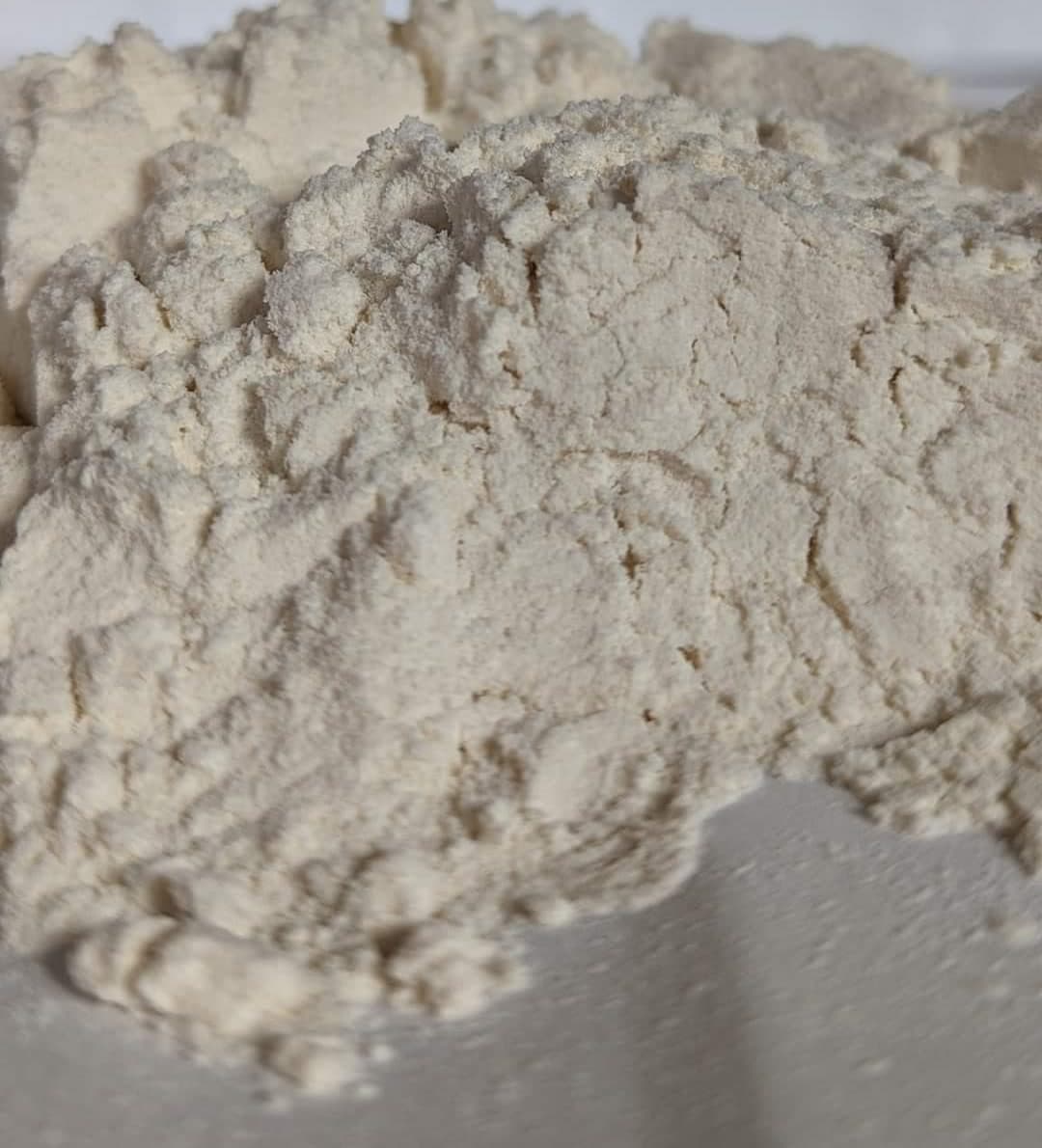
A flour's grade tells you how finely it is milled and, more importantly, how much bran is left in it. The higher the grade, the paler and finer the flour — and at the same time the less fibre, minerals and vitamins it carries.
A grade is not a verdict on flavour. It is a production classification: it says which parts of the kernel ended up in the bag, not which flour is “better”. For a soft sponge, premium grade is right; for rustic bread, second grade is — and both would be the wrong choice if you swapped them round.
How a grade comes about
During milling the kernel goes through several passes, and the flour from each is sifted. Particles passing through different sieves have different compositions: what comes from the middle of the kernel is almost pure endosperm, while what comes from the edges carries bran particles.
Premium-grade flour is the cleanest part of those streams. First grade adds a slightly wider stream, second grade a wider one still, with a noticeable share of bran. Whole-grain flour is not divided into these streams at all: the entire kernel is milled and nothing is sifted out.
Premium and first-grade flour
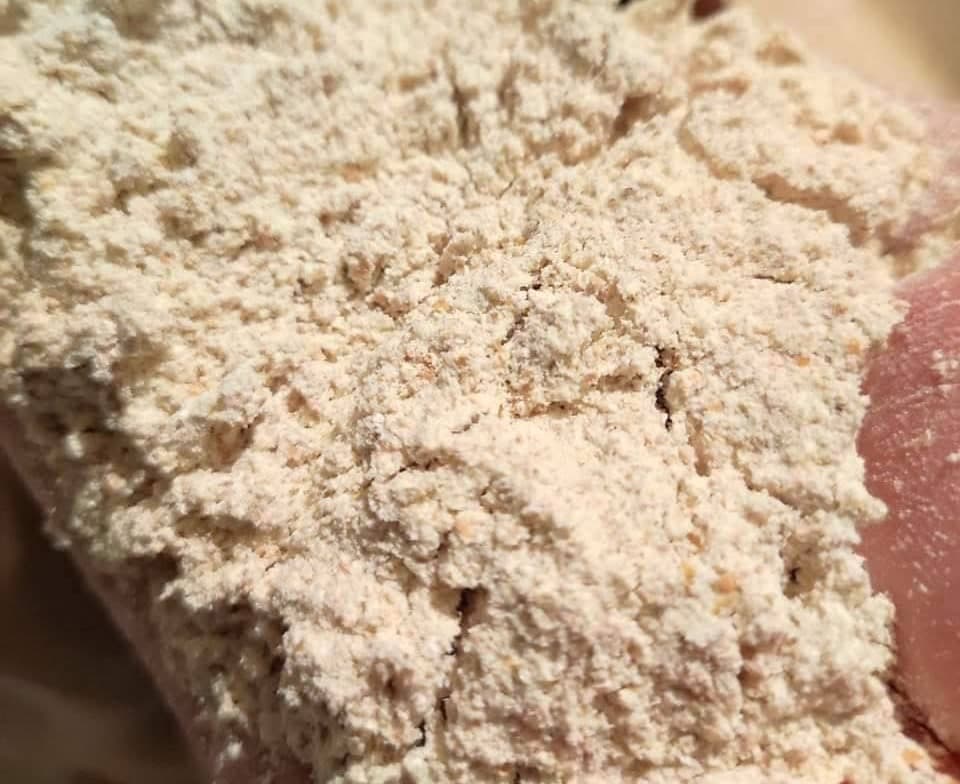
This is the most finely milled flour — pale, with a mild flavour. In a dough it gives the most predictable result: an even, airy structure and a clean taste that does not compete with a filling or with whatever else you have added. It is ideal for soft bread, rolls, cakes, pastry and pasta.
At Hatik Hatis this flour is sold as a blend — premium plus first grade. The blend pairs the pale colour and fine grind of premium grade with the slightly fuller flavour of first grade, which makes it an all-purpose choice for both pastry and everyday bread.
Second-grade flour
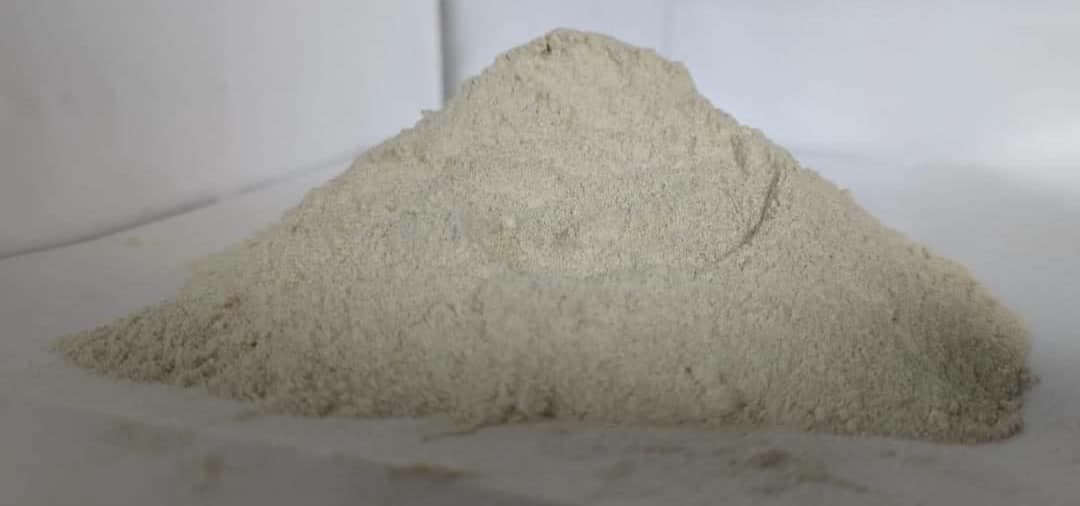
Second grade is darker and carries more bran particles, and therefore more fibre. The flavour is full and homemade. The dough rises more slowly and takes more water, but it is precisely that long fermentation that gives rustic bread its characteristic aroma.
It is the best choice for rustic bread, tonir bread, matnakash and traditional dishes. If you want a softer result while keeping the flavour, blend it 1:1 with premium and first-grade flour.
Whole-grain flour
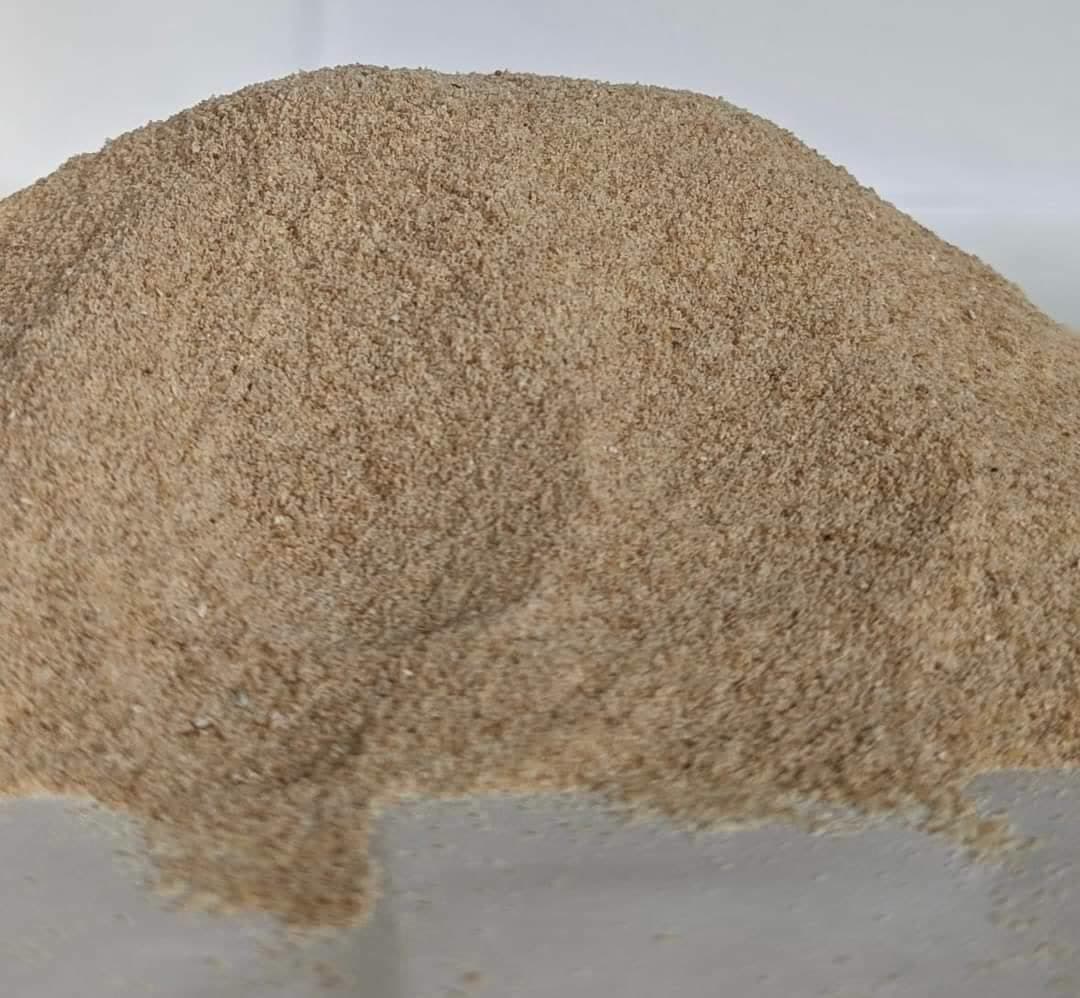
Whole-grain flour sits outside the grade scale: it is not a lower grade but a different approach. The entire kernel is milled, bran and germ included, so the full nutritional value of the grain and its full flavour are kept. In exchange the dough holds gas less well and the crumb comes out denser.
In practice whole-grain flour does best in a blend, or in a tin loaf, where holding the shape is the tin's job rather than the dough's.
Emmer flour
Emmer flour is not a grade of wheat flour but flour from a different wheat species altogether. It has a distinctive nutty flavour and a deep golden colour, but its gluten network is more fragile, so bread made with 100% emmer comes out lower and denser. The most reliable use is to replace 20-30% of the flour in a recipe with it.
What a grade is actually measured by
In production, a flour's grade is not judged by eye. The key measure is ash content: what remains of a flour sample after it is burned at high temperature. Because most of the kernel's minerals sit in the bran, ash content is a direct indicator of how much bran made it into the flour.
That is why flour in several European countries is labelled with numbers — T45, T55, T65 and so on: those are ash figures. The post-Soviet names — premium grade, first grade, second grade — describe the same thing, just in words rather than numbers.
Which one to choose
A short guide by type of bake:
- soft rolls, cakes, sponges, pastry → premium and first grade,
- everyday white bread → premium and first grade,
- rustic or tonir bread, matnakash → second grade,
- sourdough with character → second grade, or 50/50 with whole-grain,
- maximum nutritional value → whole-grain,
- a distinctive flavour and aroma → emmer flour as a 20-30% addition,
- homemade pasta → premium and first grade.
Protein and the “strength” of a flour
Beyond the grade there is a second measure that often matters more for baking: protein content. It is the flour's protein that forms the gluten network when it meets water — the elastic structure that holds the gas from fermentation. The more protein, the “stronger” the flour.
Strong flour is good for bread, pizza dough and long-fermented sourdough. Weak flour suits sponges, biscuits and shortcrust pastry, where elasticity gets in the way and the dough needs to stay crumbly. These two measures — grade and protein — are independent of each other: flour of the same grade can be strong or weak depending on the wheat.
How to swap one grade for another
Moving from premium to second grade, add a little liquid and give the dough more time. In the other direction — second to premium — reduce the liquid and watch that the dough does not over-prove: dough made with premium grade gets there faster.
When substituting whole-grain, the safest step is to start at 25% and raise the share with each subsequent bake. That way you find out where your recipe's limit is without ruining a whole batch on the first attempt.
Storing different grades
Grade affects storage too. Premium and first-grade flour contains almost no germ oil, which makes it the most stable: somewhere cool, dry and dark in an airtight container it holds its qualities longest. Second grade is a little more sensitive, and whole-grain the most of all — because of those germ oils.
The practical consequence is about planning your shopping: premium-grade flour can be bought in a 10 kg bag, while whole-grain is more sensibly bought in smaller bags — 3 or 5 kg — and more often. For the specific shelf life, follow what the packaging states.
Frequently asked questions
“Is premium grade better than second grade?” No — they are different tools. Premium grade gives a softer, airier result; second grade a fuller flavour and more fibre. The bake decides the choice, not the scale.
“Can I mix grades?” Yes, and it is the most practical approach there is. A 50/50 blend lets you find exactly the point where flavour and structure balance out for your taste.
“Why does the same recipe turn out differently with different flour?” Because different flours take up different amounts of water. The liquid in a recipe is a starting point, not a law: always look at the dough and adjust as you go.
Why the same grade differs between producers
A grade defines how much bran is in the flour; it does not define the wheat. Premium-grade flour from two producers can differ in protein content, water absorption and even colour, if it was milled from a different harvest or a different variety.
That is why a recipe that was perfect with one flour may need adjusting with another. The simplest answer: the first time you bake with a new flour, hold back 10% of the liquid and add it only if the dough feels dry.