Second-grade flour
Homemade taste, naturally
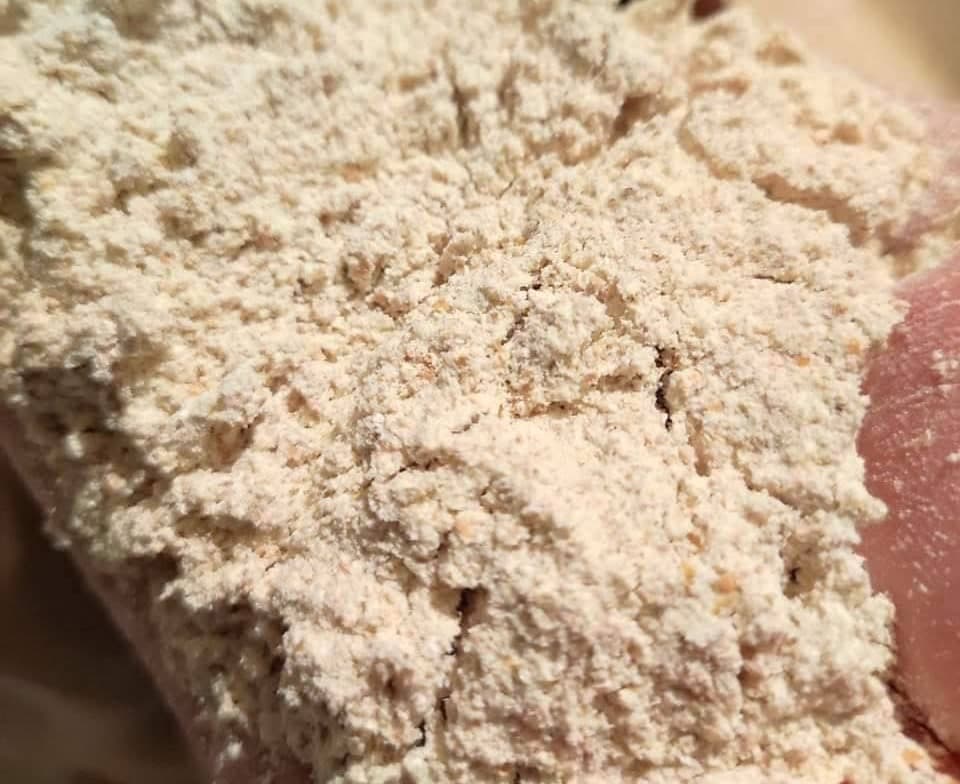
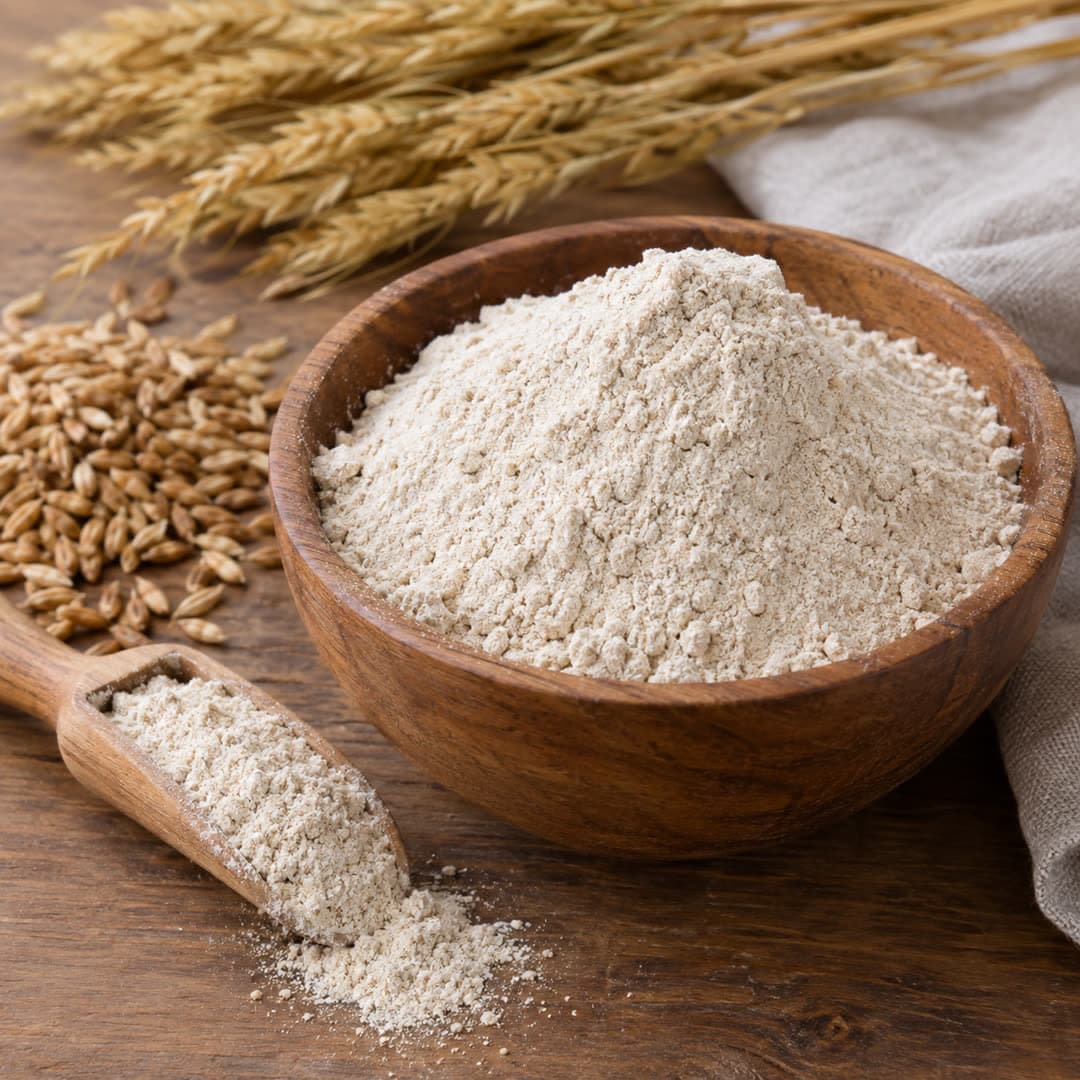
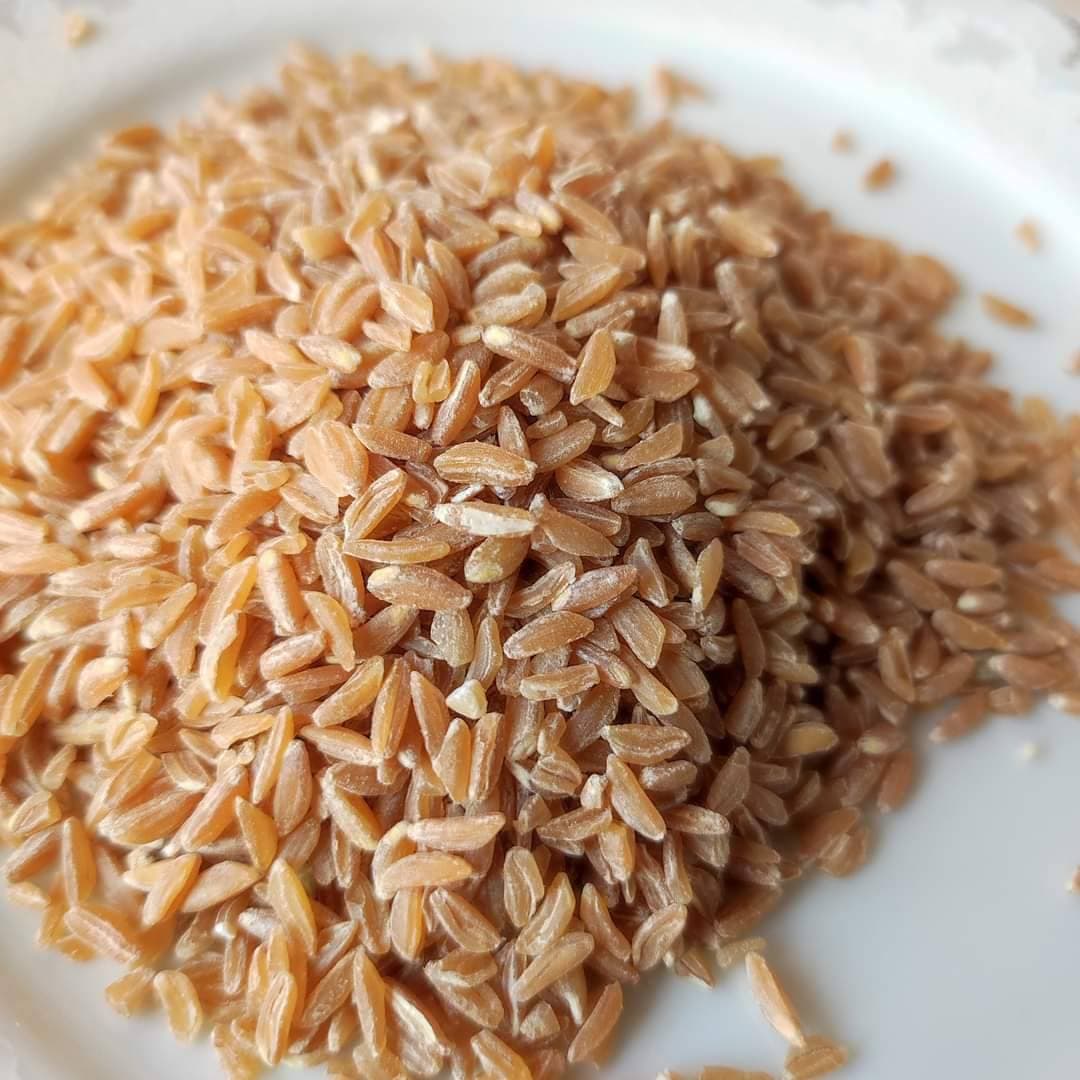
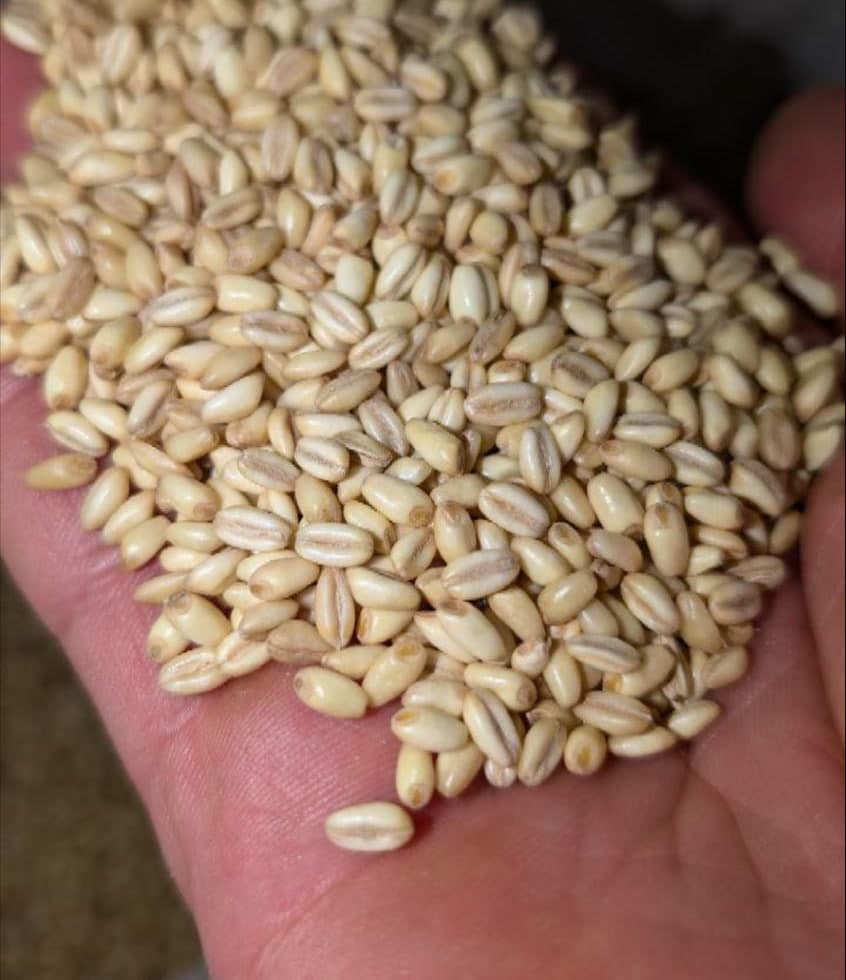
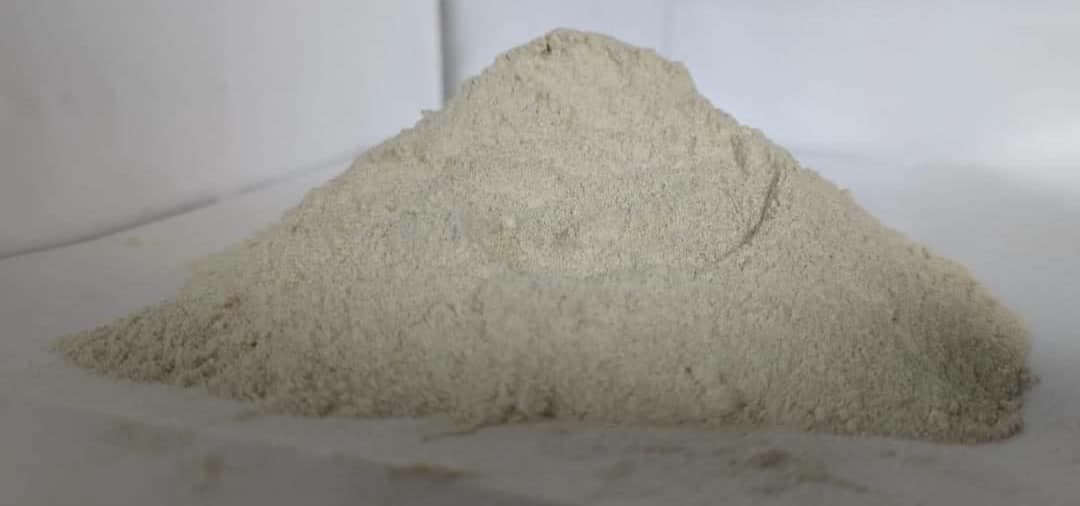
Second-grade flour stands out with its darker color and rich, homemade taste: it contains more fiber and vitamins than white flour. The best choice for rustic bread and traditional dishes.
- A darker flour with a rich flavor.
- Contains more fiber and vitamins.
- Great for rustic bread and traditional dishes.
Price: 300 AMD/kg
Choose a bag size and quantity
Delivery and ordering
- Sold in 3, 5, or 10 kg bags.
- Delivery in Yerevan and across Armenia.
- Delivery to your building (500 AMD)
- Delivery to your door (1,000 AMD)
Specifications
| Grain | Wheat |
|---|---|
| Form | Flour |
| Origin | Hatis village, Kotayk Province, Armenia |
| Packaging | 3, 5, or 10 kg bags |
| Price | 300 AMD/kg |
| Additives | No chemical additives |
How to bake with second-grade flour
Because of the bran it carries, second-grade flour takes up more water than premium grade and the dough rises more slowly. That is not a flaw: the long fermentation is exactly what gives rustic bread its flavour. Allow more proving time and do not rush the shaping.
It is at its best in tonir and rustic bread, matnakash, dough for soups and traditional dishes. If you want a softer result while keeping the flavour, blend it 1:1 with premium and first-grade flour.
Second-grade flour is at its best in recipes where the dough has time. If you are used to fast yeasted bread, simply double the rising time the first time and change nothing else. You will notice the difference in flavour straight away — that difference is the whole point of this flour.
How it differs from premium and first-grade flour
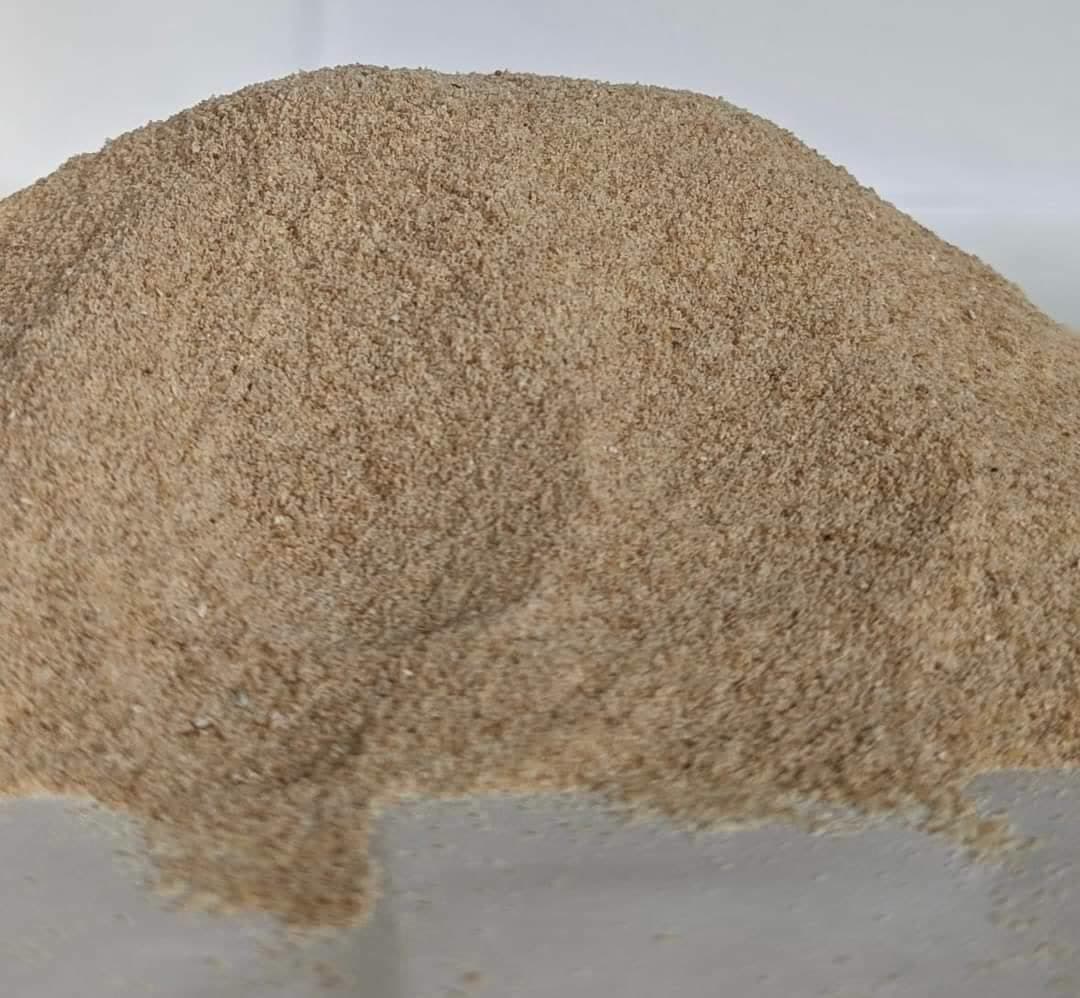
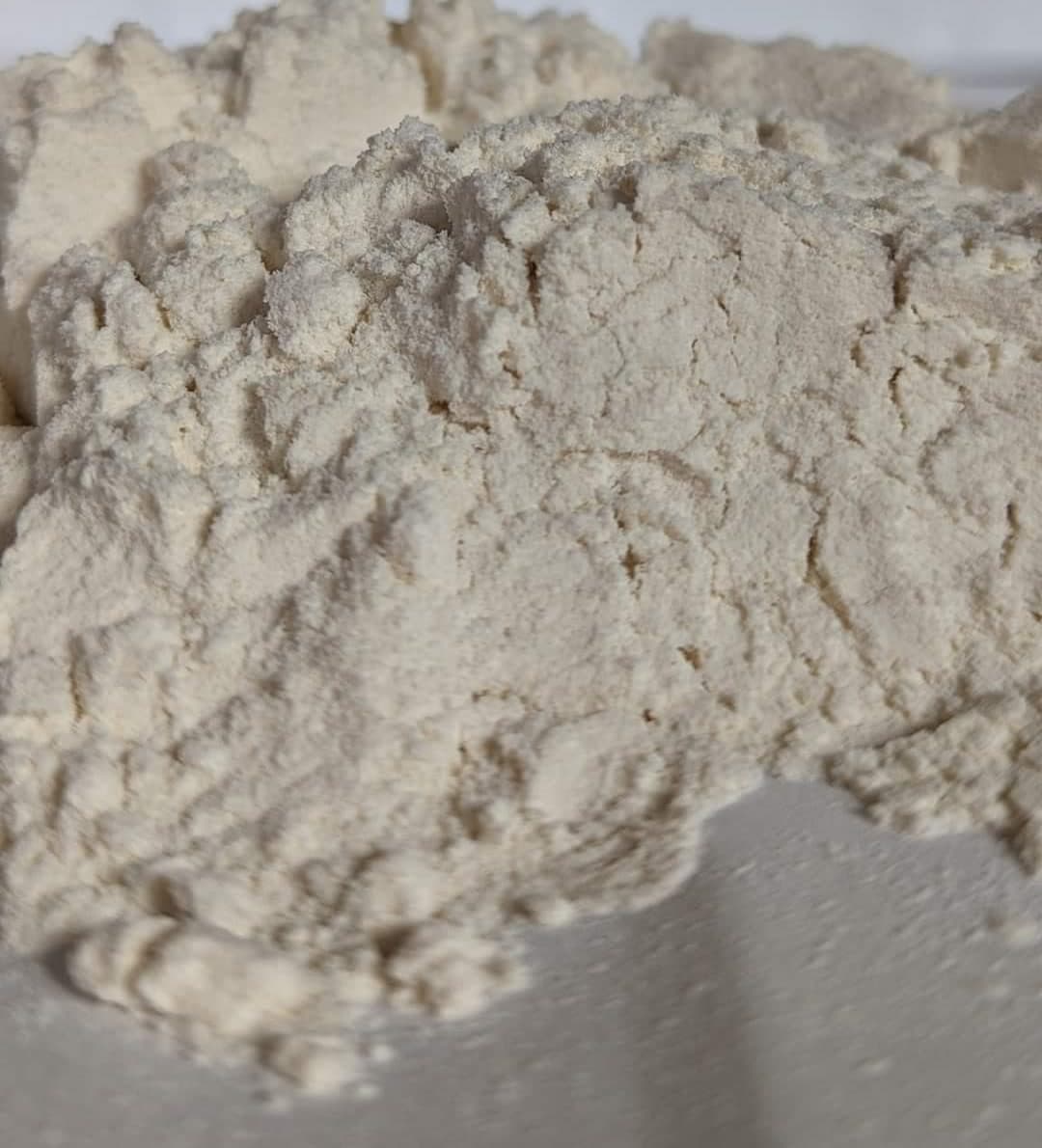
Second-grade flour keeps more bran particles than premium and first grade. That gives a darker colour, a fuller flavour and more fibre, but also a denser crumb and a dough that rises more slowly. Premium and first grade is chosen for soft baking; second grade for bread that needs character.
Frequently asked questions
- What bag sizes are available and what does it cost?
- Sold in 3, 5, or 10 kg bags. The price is 300 AMD per kilogram, and a bag is priced by its weight.
- What can I bake with second-grade flour?
- Rustic and tonir bread, matnakash, traditional baking and dough served with soups. This is the flour to choose when you want bread with a full, homemade flavour rather than a neutral base.
- Why does the dough rise more slowly?
- Bran particles interfere with the gluten network and take up part of the water. Give the dough more time and a little more liquid: the long fermentation is what gives this flour its characteristic aroma.
- How does it differ from whole-grain flour?
- Whole-grain flour is milled from the entire kernel, germ included. Second grade has some of the bran sifted out, so it sits between premium grade and whole-grain: a full flavour with a lighter crumb.
- Can I use it for sourdough?
- Yes, and it is one of its strongest uses. The bran particles give the starter enzymes and nutrients, so fermentation is livelier and the flavour more complex. Allow a longer rise than you would with white flour.