Dzavar: one of the cornerstones of Armenian cooking
Dzavar is coarsely cracked wheat, one of the earliest and best-loved ingredients in Armenian cooking. Here is what dzavar is, how it differs from bulgur and from emmer, what to cook with it and what ratio to cook it at.
What dzavar is
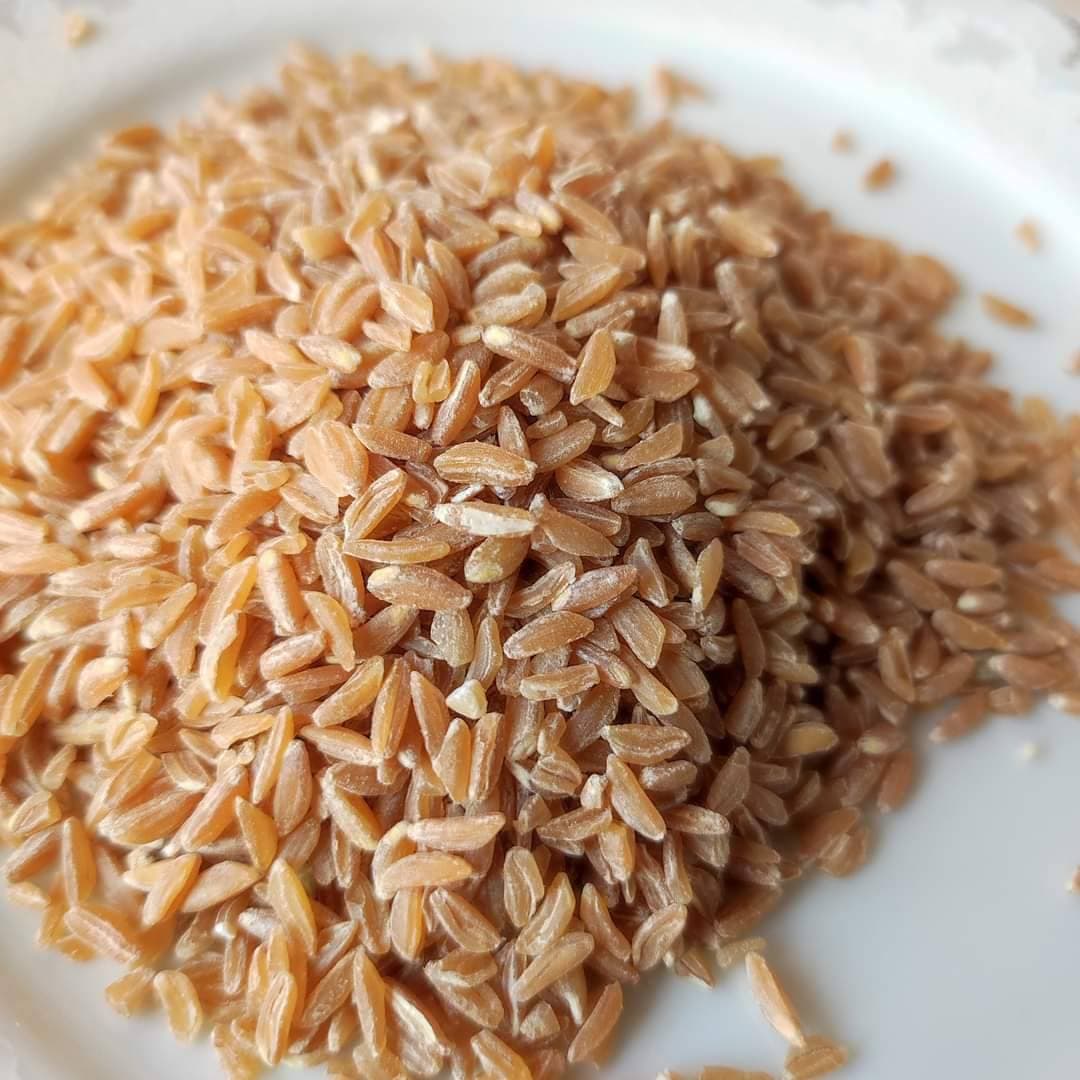
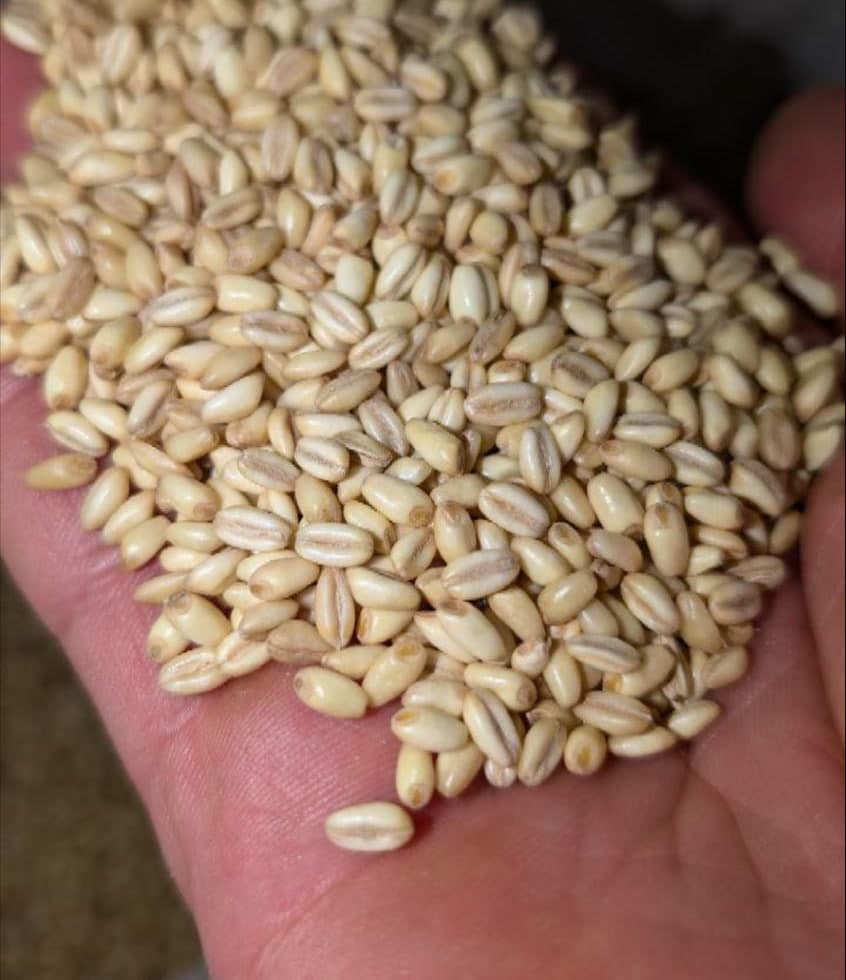
Dzavar is made from wheat kernels that have been cleaned and coarsely cracked. So it is neither flour nor whole grain but something in between: the kernel is broken into several large pieces, which lets water reach the inside far faster and cuts the cooking time several times over.
In Armenia dzavar was the basis of everyday food for centuries. The reason is practical: it keeps well, cooks quickly, is filling, and works equally well on a festive table and a weekday one.
Dzavar, bulgur and couscous
These three are often confused, but they are different things. Dzavar is dry cracked wheat and needs proper cooking. Bulgur is also cracked wheat, but it has been par-boiled and dried first, so it is far quicker — sometimes pouring boiling water over it is enough. Couscous is not cracked grain at all but small pellets rolled from durum wheat flour.
The practical consequence is simple: a bulgur recipe will not work directly with dzavar. Dzavar wants more water and a longer cook, and that is exactly what gives a dish its fuller flavour.
Grind sizes
Dzavar comes in different grinds, and the choice determines the texture of the dish. Coarse dzavar is best for pilaf: the grains stay separate and fluffy. A medium grind is the all-rounder, for soups and porridges. Fine dzavar cooks quickly and gives a thick, unified texture, which suits harissa and thick porridges.
What to cook with dzavar
Dzavar is a versatile ingredient; the most loved uses include:
- dzavar pilaf — a more nutritious alternative to ordinary rice pilaf,
- soups, including the traditional tanapur,
- porridge made with milk or water,
- harissa — one of the best known ceremonial dishes in Armenian cooking,
- stuffing for tolma and filled vegetables,
- cold salads with tomatoes, herbs and olive oil.
Cooking tips
Rinse dzavar in cold water before cooking, until the water runs clear. For pilaf keep to a 1:2 ratio — one part grain to two parts water — simmer gently for about 20 minutes and do not stir often. Frequent stirring breaks down the surface of the grains and makes the pilaf gluey.
For more flavour, fry the grain briefly in oil until lightly golden before adding the water. After cooking, leave the pan covered for 5-10 minutes: the remaining steam evens out the moisture across the grains.
For porridge, use more liquid — 1:3 or 1:4 — and cook longer, until it reaches the thickness you want. For a milk porridge, cook the dzavar in water first and add the milk afterwards: cooked directly in milk, the grain softens more slowly.
The nutritional value of dzavar
Dzavar keeps most of the kernel's structure, so it is rich in fibre and protein and stays with you longer than products made from finely milled flour. That is why it is often used as an alternative to rice or pasta.
Dzavar is wheat and contains gluten, so it is not suitable for coeliac disease or a wheat allergy.
Dzavar on the Armenian table
Dzavar's place in Armenian cooking is no accident. In mountain regions, where rice was an imported and expensive commodity, wheat was local and available. Cracked grain solved two problems at once: it kept for months and cooked considerably faster than whole grain, which mattered for saving fuel.
That history explains why dzavar turns up in both everyday and ceremonial dishes. It is at once the base of the simplest porridge and the main ingredient of harissa, the centrepiece of a festive table.
Harissa, the best known dzavar dish
Harissa is made from dzavar and meat — usually chicken — cooked very slowly for a very long time. The secret is in the time and the beating: the dish simmers for hours, and at the end it is beaten until the dzavar and the meat become a single, thick mass with no separate grains left.
A finer grind of dzavar is chosen for harissa: it breaks down faster and reaches that uniformity more easily. If all you have is coarse dzavar, extend the cooking time and stir more often.
Dzavar or emmer?
Both are grain, but they play different roles. Dzavar is cracked common wheat: quick to cook, no soaking needed and crumblier — the everyday choice. Emmer is the whole grain of a different wheat: it needs soaking and a longer simmer, but it stays on the plate as a separate, springy grain and carries a more pronounced nutty flavour.
In many porridges and soups the two are interchangeable, allowing for the cooking time. If you want to change the character of a dish you already know without rewriting the recipe, that swap is the simplest way to do it.
How much dzavar per portion
Dry dzavar roughly triples in volume as it cooks, so it is easy to get the quantity wrong. As a guide:
- pilaf as a side dish — 50-60 g dry dzavar per person,
- pilaf as a main course — 80-100 g,
- breakfast porridge — 40-50 g with 200-250 ml of liquid,
- to thicken a soup — 30-40 g per litre.
Dzavar pilaf — the basic recipe
The simplest dzavar pilaf goes like this. Rinse one part of grain and leave it in a sieve. In a pan, fry finely chopped onion gently in oil until translucent, then add the dzavar and stir for 2-3 minutes, until the grains are coated in oil and take on a light golden colour.
Add two parts hot water or stock, season with salt and bring to the boil. Turn the heat down to its lowest, cover and cook for about 20 minutes without lifting the lid. Then turn off the heat and leave it covered for another 10 minutes: at this stage the grains even out their moisture and turn fluffy.
Finish by fluffing it with a fork rather than a spoon, so the grains are not crushed. Add fried carrot, raisins or nuts if you like. The same base works for an emmer version — adding a soak and roughly twice the cooking time.
How to store dzavar
Keep dzavar somewhere cool, dry and dark in an airtight container. Cracked grain has more surface area than whole grain, so it takes up moisture and smells from its surroundings faster: dzavar kept in an open bag can pick up the smell of the kitchen. For the specific shelf life, follow what the packaging states.
How to choose dzavar
Good dzavar is dry, free-flowing and even in colour, without an excess of dark or dusty particles. Dust at the bottom of the bag means the grain has been cracked too finely: dzavar like that turns gluey in a pilaf.
Pay attention to the smell too. Fresh dzavar smells of dry wheat; a damp or musty smell means it has been stored badly. If you buy a large bag, decant it at home into smaller airtight containers — that way the dzavar will not take on the smells of the kitchen.