Cracked wheat (dzavar)
A staple of Armenian cuisine
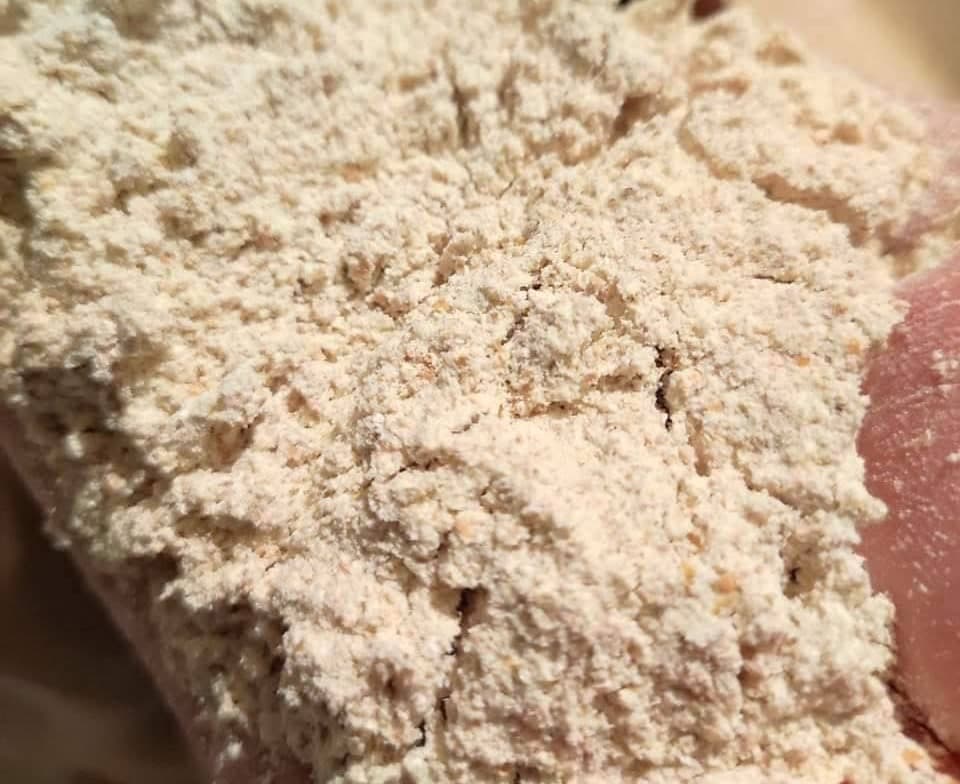
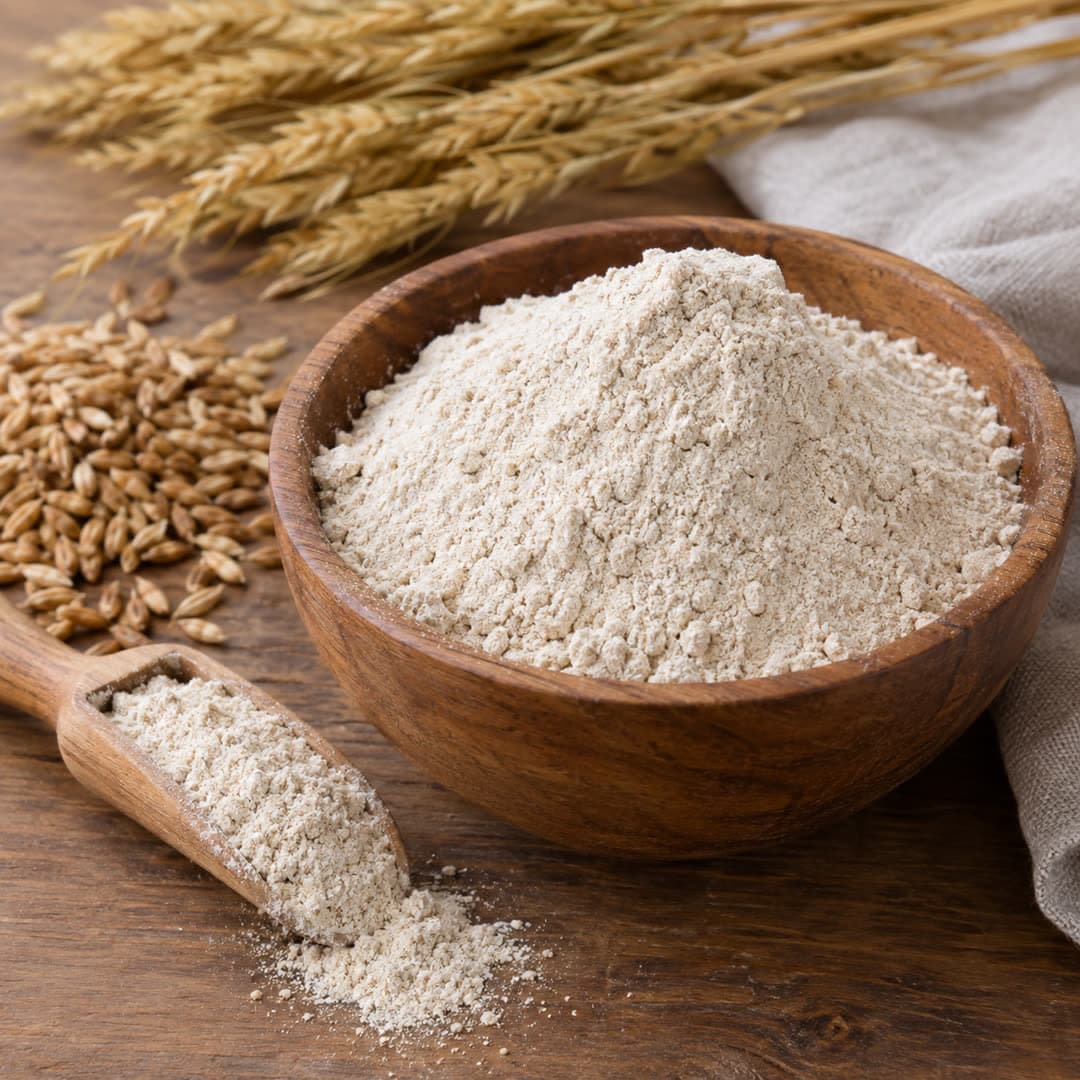
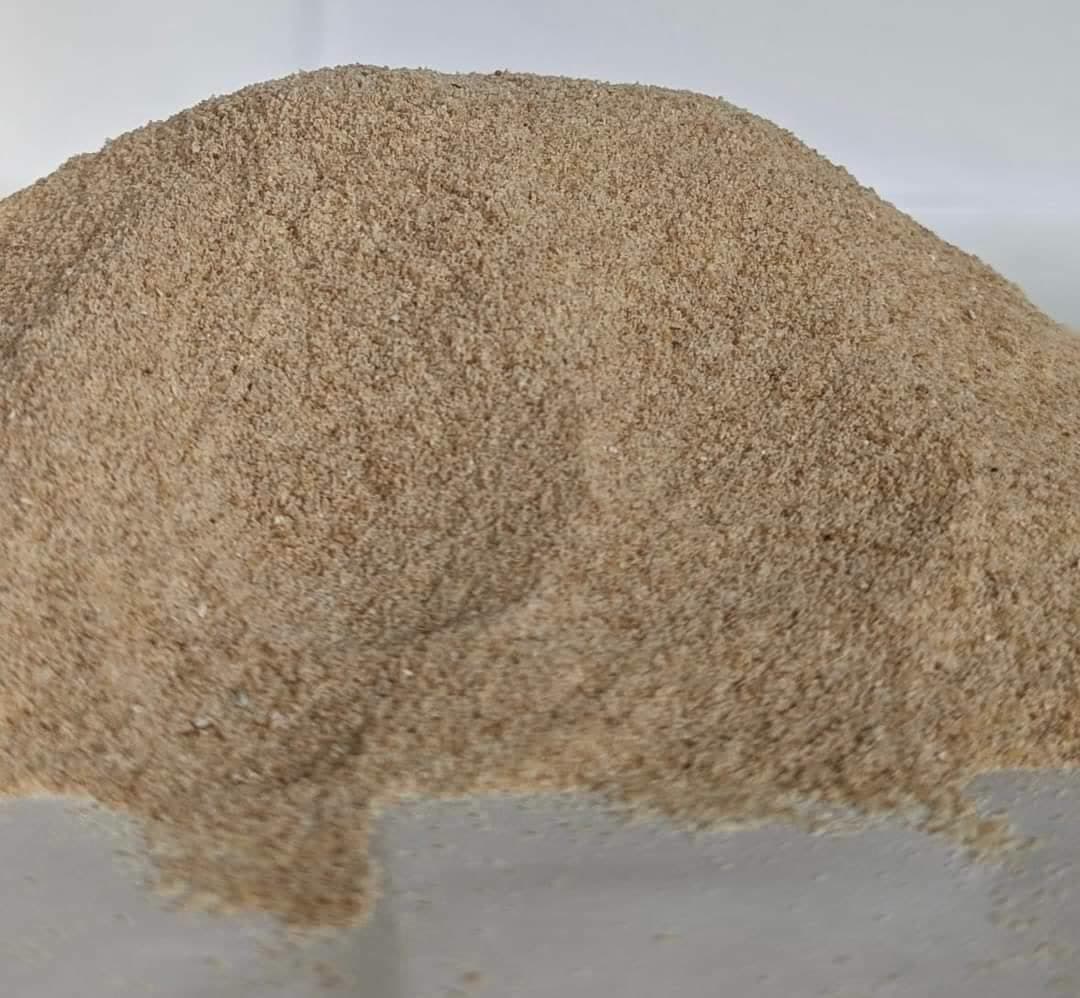
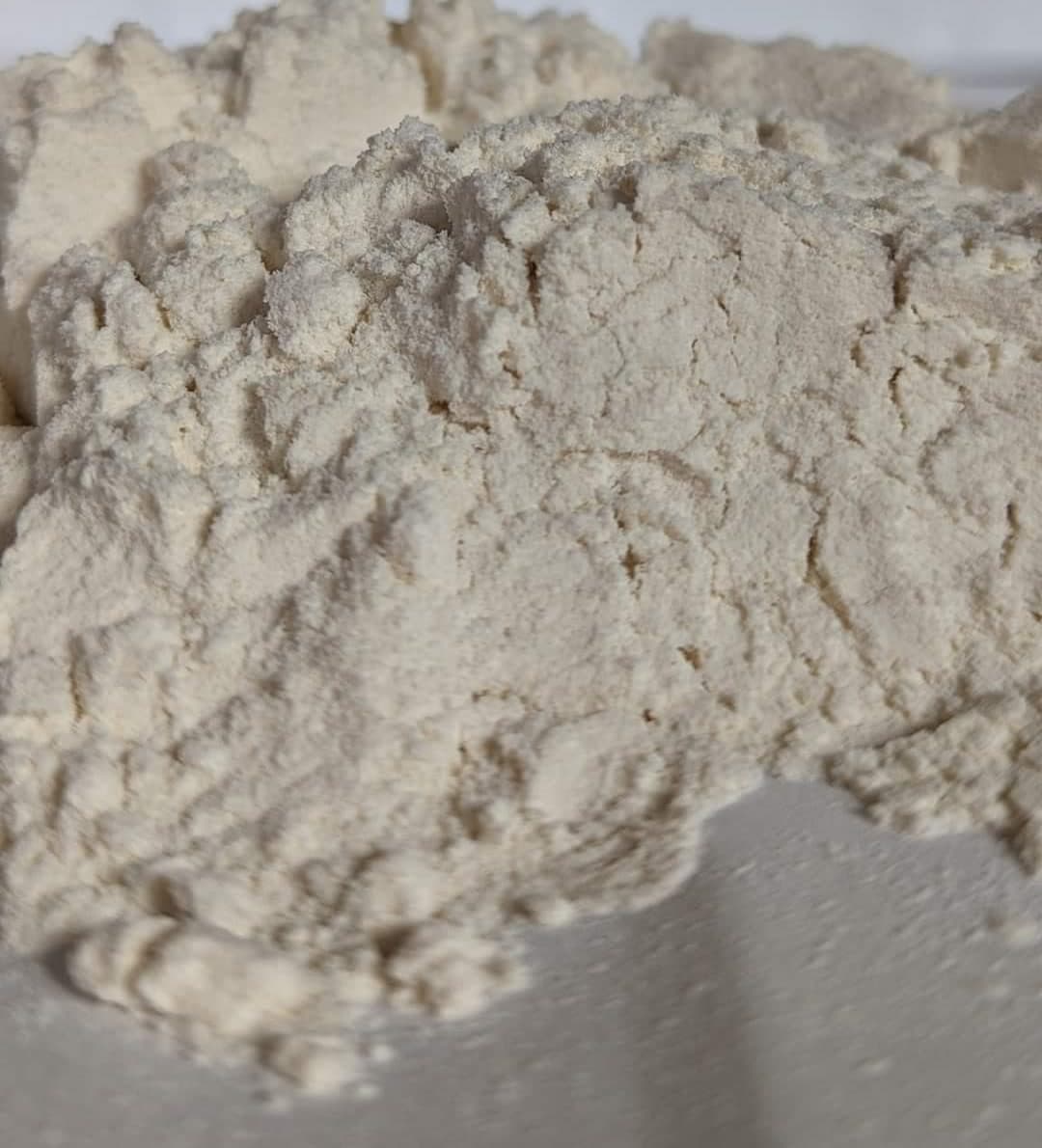
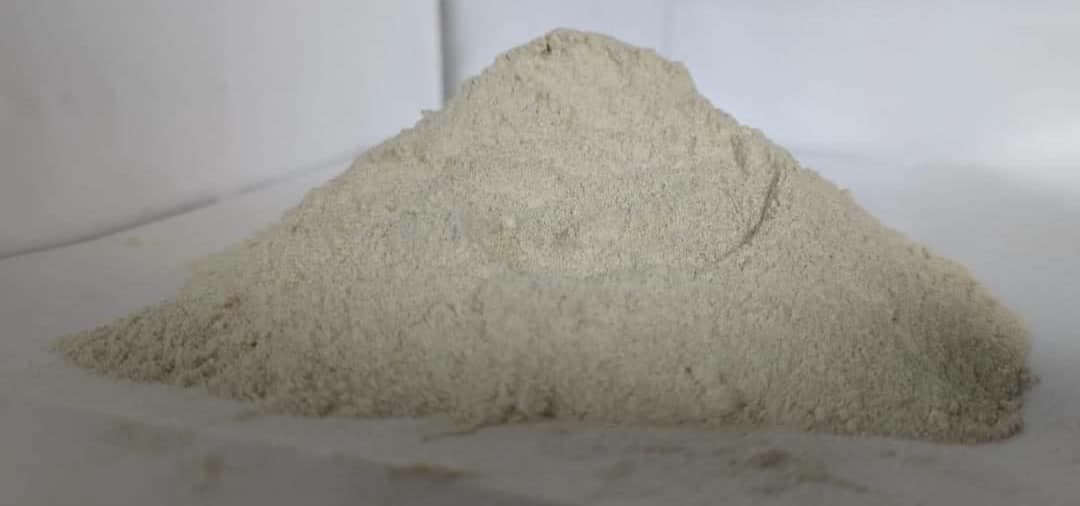
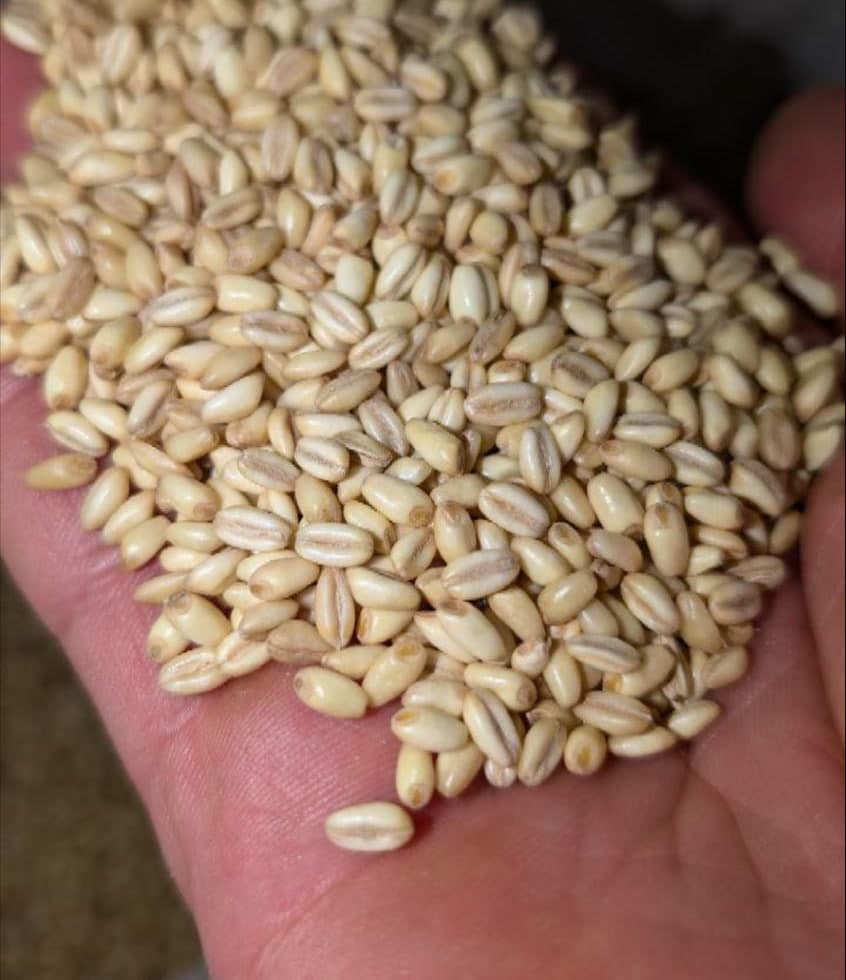
Dzavar is cracked wheat made from natural wheat and a staple of Armenian cuisine. Rich in fiber, protein, and vitamins, it is perfect for porridges, soups, and traditional pilafs.
- Quality cracked wheat made from natural wheat.
- Great for porridges, soups, and pilafs.
- Contains fiber, protein, and vitamins.
Price: 500 AMD/kg
Choose a bag size and quantity
Delivery and ordering
- Sold in 3, 5, or 10 kg bags.
- Delivery in Yerevan and across Armenia.
- Delivery to your building (500 AMD)
- Delivery to your door (1,000 AMD)
Specifications
| Grain | Wheat |
|---|---|
| Form | Cracked grain |
| Origin | Hatis village, Kotayk Province, Armenia |
| Packaging | 3, 5, or 10 kg bags |
| Price | 500 AMD/kg |
| Additives | No chemical additives |
How to cook dzavar
Rinse dzavar in cold water before cooking. For pilaf, keep to a 1:2 ratio — one part grain to two parts water — and simmer gently for about 20 minutes without stirring often, then let it stand covered for a few minutes to steam.
For a fuller flavour, fry the dry grain briefly in oil until lightly golden before adding the water. Dzavar also works for thickening soups, for porridge and for harissa, and once cooled it makes a good base for salads.
Dzavar is the most versatile grain in the range: one bag covers breakfast porridge, an evening pilaf and a thickener for soup. That is why it is most often bought in the largest, 10 kg bag. Once opened, decant it into smaller airtight containers — cracked grain takes on the smells of a kitchen faster than whole grain does.
How it differs from emmer
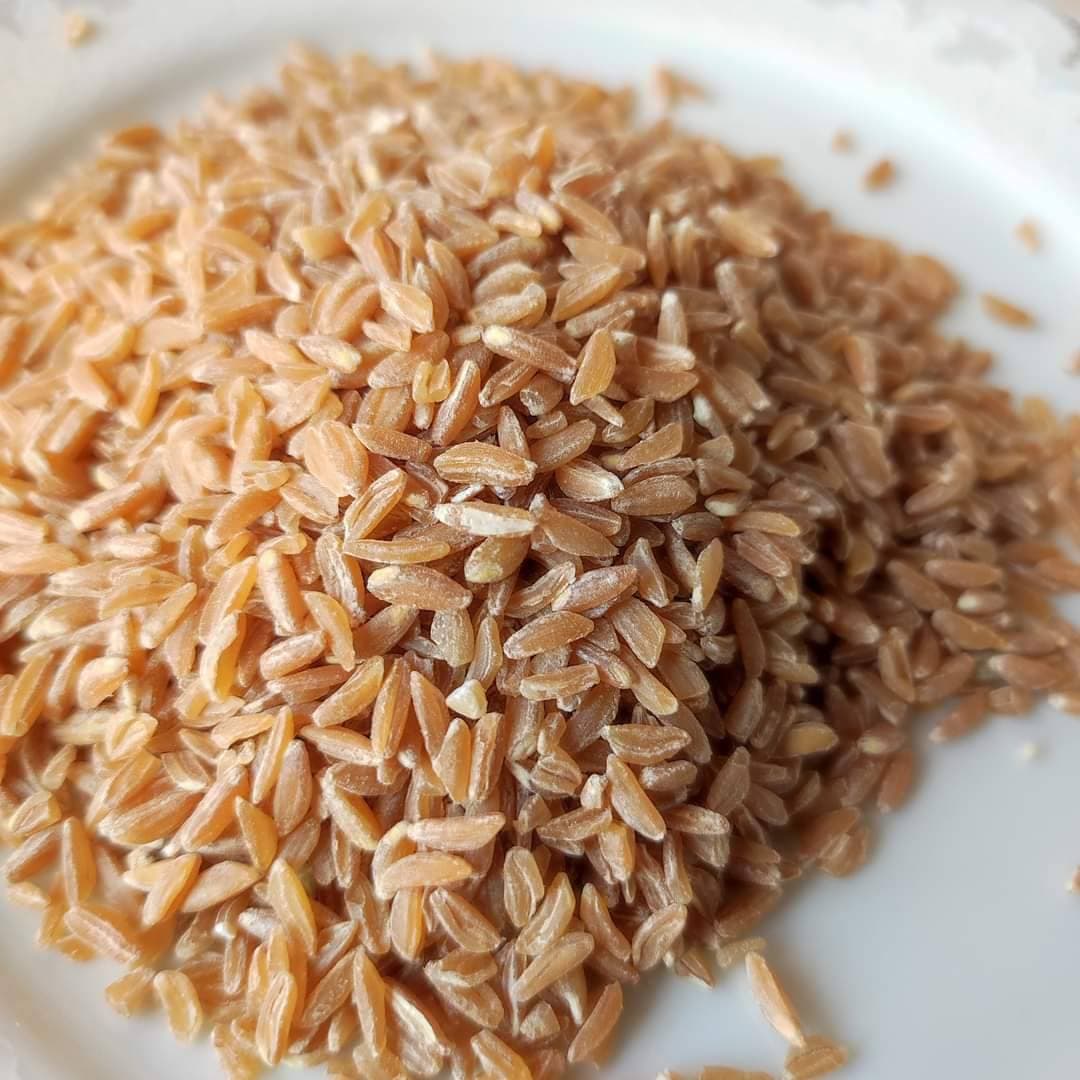
Dzavar is made by cleaning and coarsely cracking common wheat, so it cooks quickly — about 20 minutes — and needs no soaking. Emmer is the whole grain of a different wheat: it needs soaking and a longer simmer, but stays on the plate as a separate, springy grain and carries a more pronounced flavour.
Frequently asked questions
- What bag sizes are available and what does it cost?
- Sold in 3, 5, or 10 kg bags. The price is 500 AMD per kilogram, and a bag is priced by its weight.
- What can I cook with dzavar?
- Dzavar pilaf, soups including tanapur, porridge made with milk or water, and harissa. Cooled dzavar also makes a good base for vegetable salads.
- What ratio should I cook dzavar at?
- For pilaf, one part grain to two parts water, simmered gently for about 20 minutes. For porridge, use more liquid and cook longer, until it reaches the thickness you want.
- How does it differ from emmer?
- Dzavar is cracked wheat: quick to cook, no soaking. Emmer is a whole grain that takes longer and has a more pronounced nutty flavour. In many porridges and soups the two are interchangeable, allowing for the cooking time.
- How do I avoid a gluey pilaf?
- Three things decide the result. First, rinse the grain until the water runs clear, to wash off surplus starch. Second, keep to the 1:2 ratio and leave the lid on throughout. Third, do not stir often — stirring breaks down the surface of the grains. Fluff it with a fork at the end, not a spoon.