Whole-grain rye flour
The deep, tangy taste of dark bread
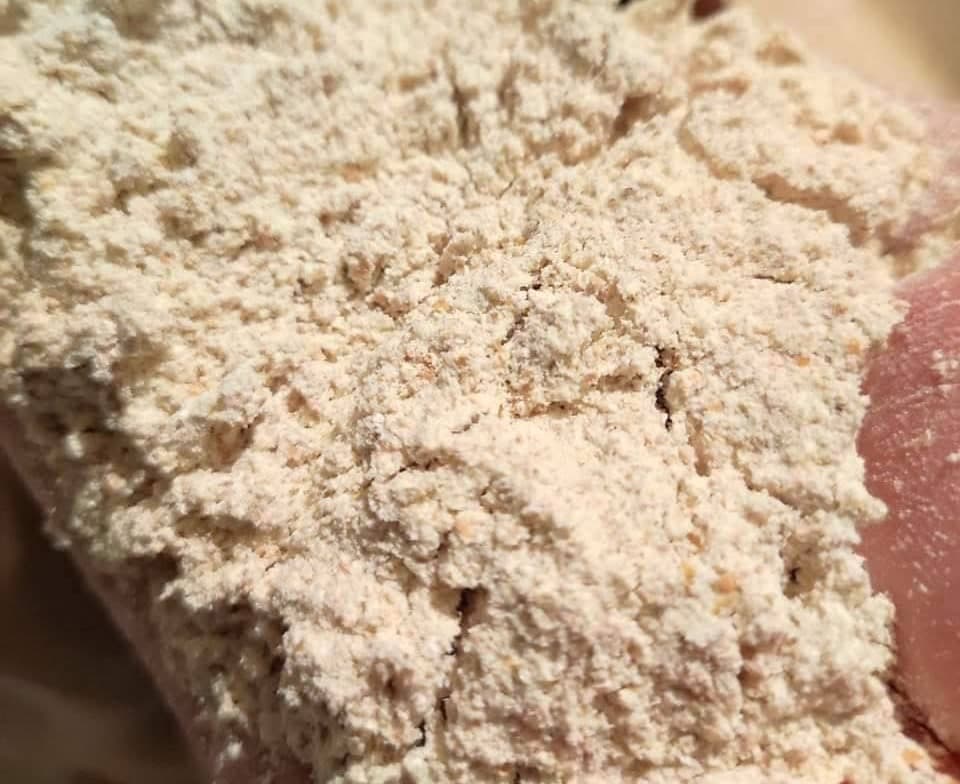
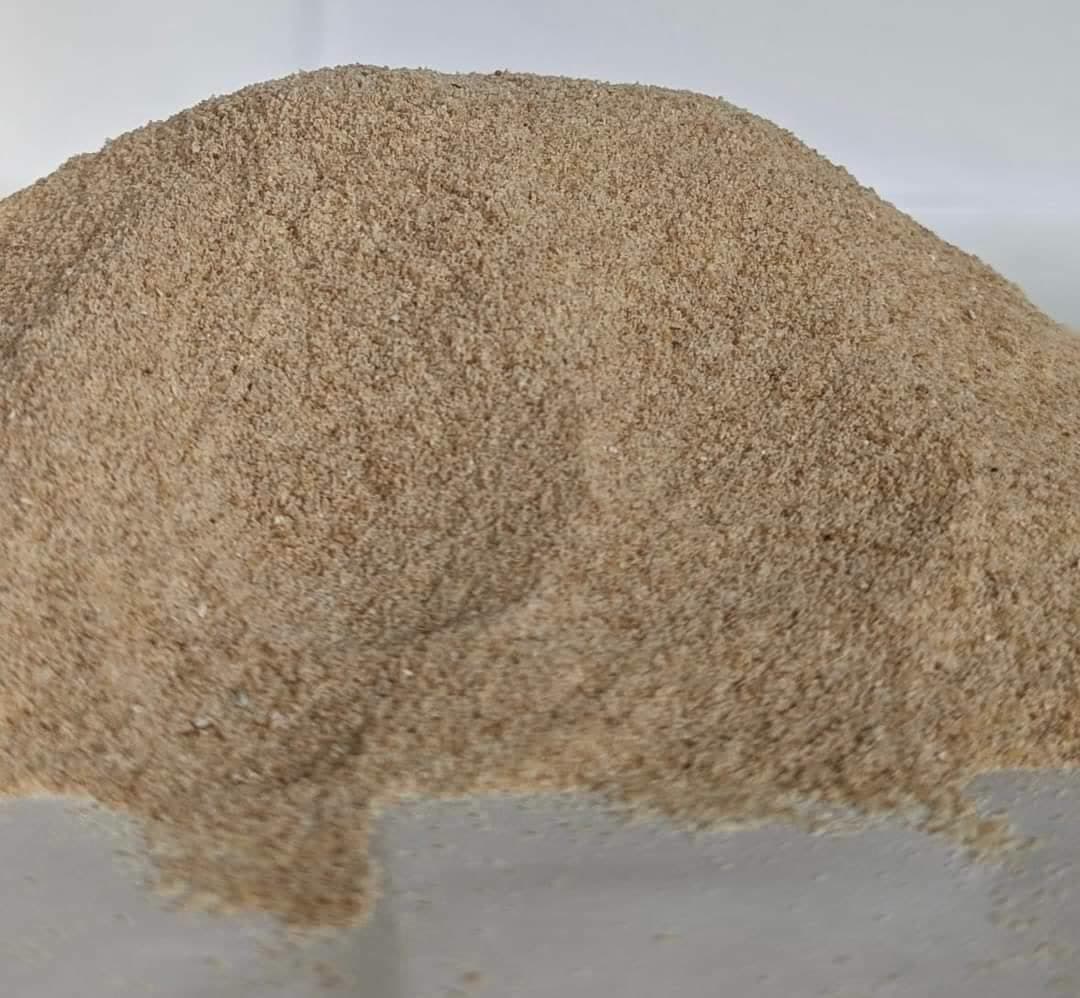
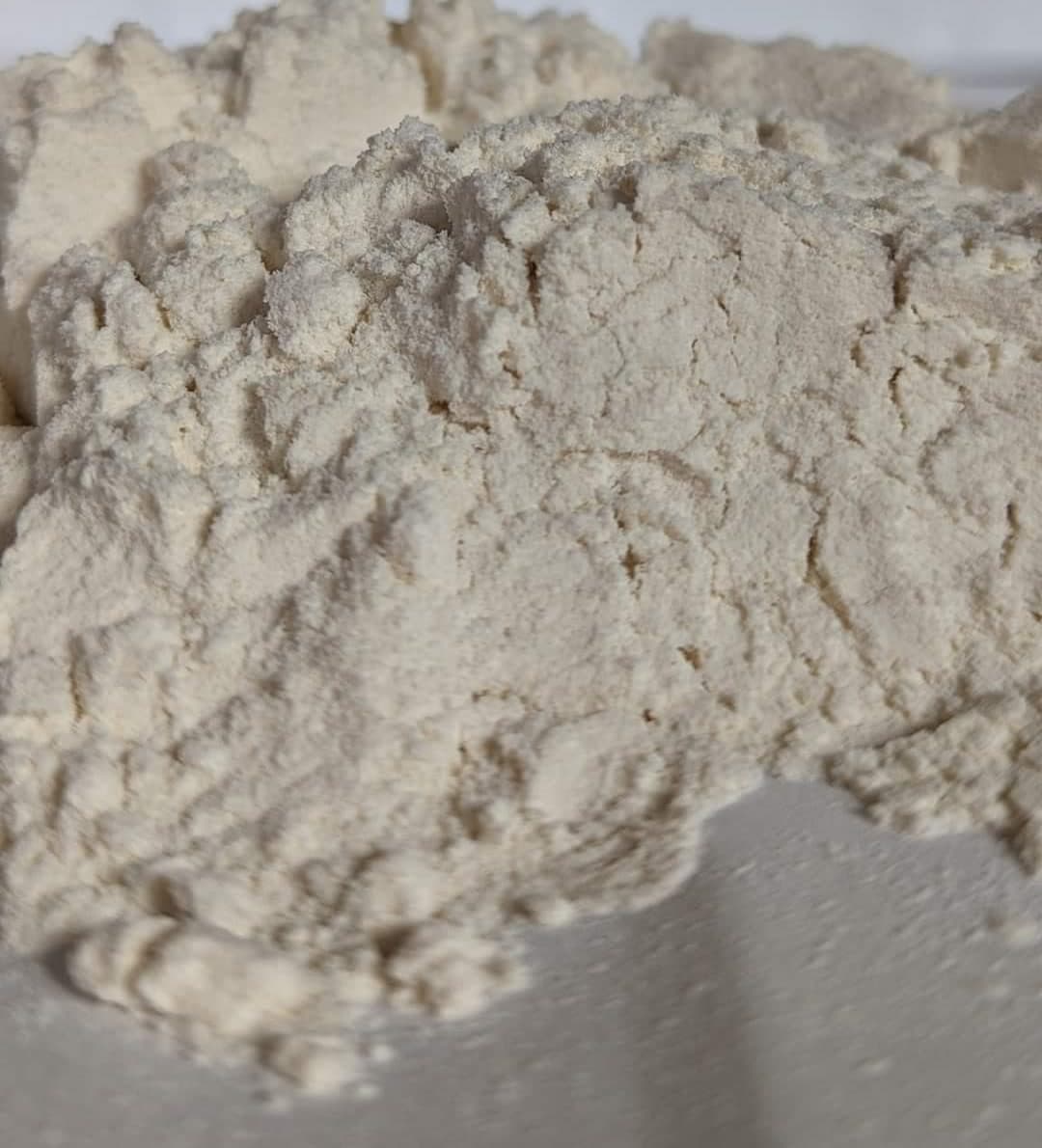
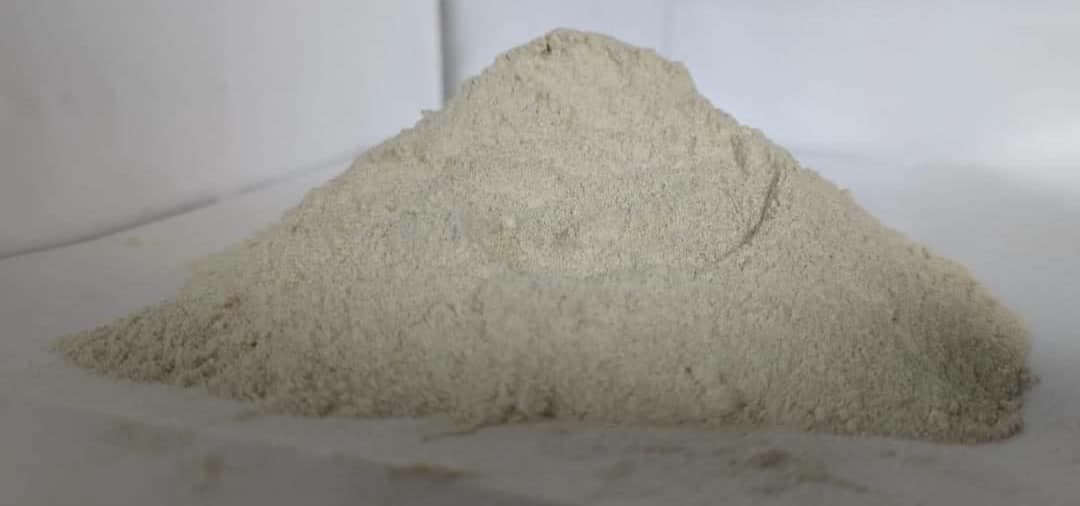
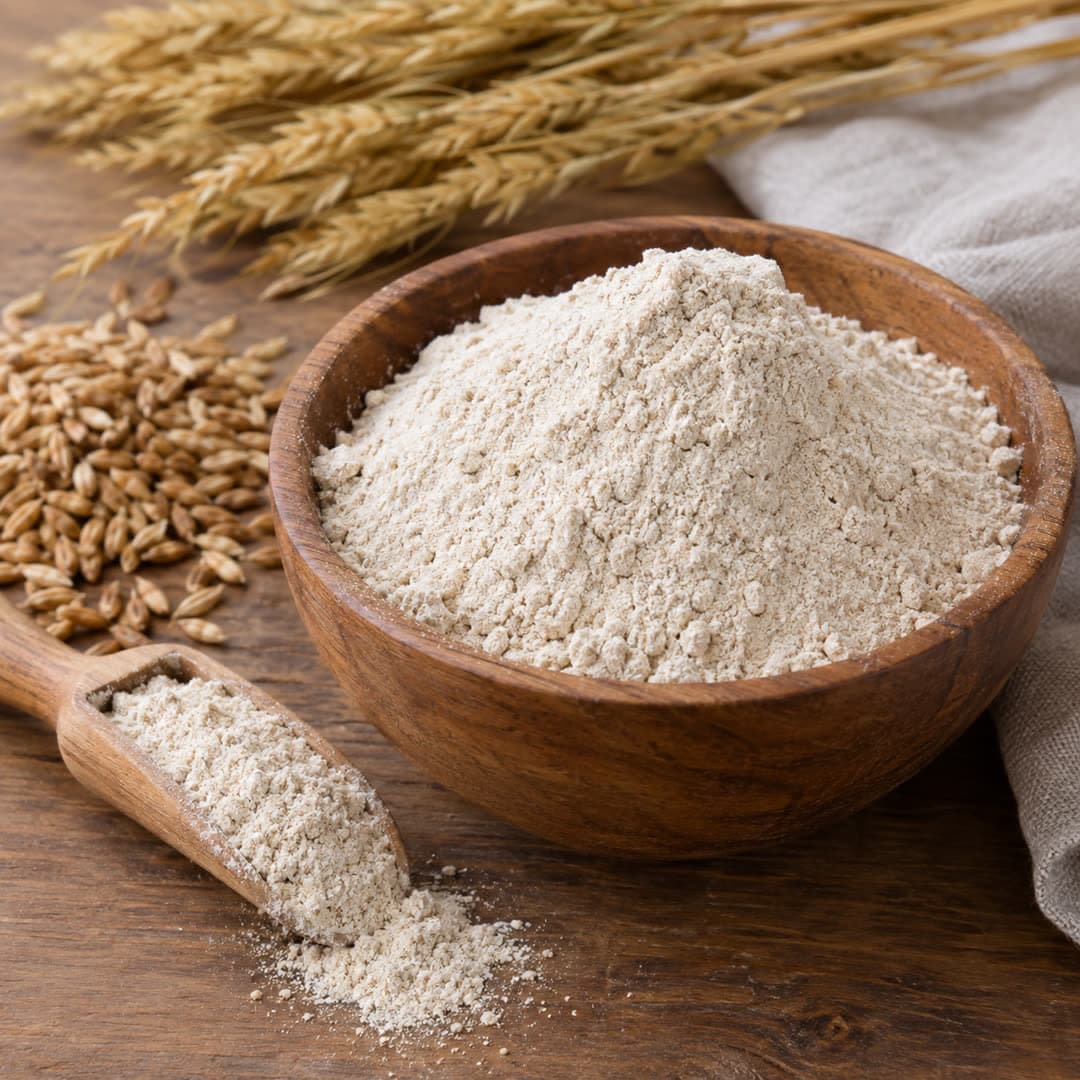
Whole-grain rye flour is milled from the entire rye kernel, bran and germ included — and with them the fiber, vitamins, and minerals. It makes a dark bread that stays fresh for days, with a moist crumb and a deep, gently tangy grain flavor. Ideal for sourdough rye bread, mixed rye-and-wheat loaves, and homemade baking.
- Milled from whole rye kernels with no chemical additives.
- Rich in fiber, B vitamins, and minerals.
- Excellent for sourdough rye bread and mixed loaves.
Price: 400 AMD/kg
Choose a bag size and quantity
Delivery and ordering
- Sold in 3, 5, or 10 kg bags.
- Delivery in Yerevan and across Armenia.
- Delivery to your building (500 AMD)
- Delivery to your door (1,000 AMD)
Specifications
| Grain | Rye |
|---|---|
| Form | Flour |
| Origin | Hatis village, Kotayk Province, Armenia |
| Packaging | 3, 5, or 10 kg bags |
| Price | 400 AMD/kg |
| Additives | No chemical additives |
How to bake with rye flour
Rye does not form a strong gluten network the way wheat does. What holds rye dough together is not gluten but the grain's gums (pentosans), which soak up a great deal of water. That is why rye dough is sticky and needs no long knead: mix it thoroughly, then shape it with wet hands or a wet spoon. It will never feel as cooperative as wheat dough — that is not a mistake, it is simply how rye behaves.
For a pure rye loaf, sourdough is the best choice: the acidity keeps the crumb from turning gummy and underbaked, and gives the bread the familiar tang of rye. Bake 100% rye dough in a tin — it will not hold its own shape. If this is your first time working with rye, start by replacing 20-30% of the wheat flour in a recipe: you get its aroma and colour while keeping the structure of the loaf you are used to.
Do not cut a rye loaf straight out of the oven: give it at least a few hours, ideally until the next day, so the crumb can set and the flavour can develop. Like any whole-grain flour, rye is sensitive to heat; if you bake only occasionally, choose the 3 kg bag and keep an opened bag in an airtight container somewhere cool and dark.
How it differs from whole-grain wheat flour
Both are milled from the whole kernel, but they come from different plants and behave very differently in dough. Wheat gluten forms an elastic network that traps gas, so whole-grain wheat bread rises and has an open crumb. Rye forms almost no such network: its bread is lower, denser and moister, darker in colour and with a more pronounced, tangy flavour. Wheat flour is the easier one to work with; rye is the one with more character.
Frequently asked questions
- What bag sizes are available and what does it cost?
- Sold in 3, 5, or 10 kg bags. The price is 400 AMD per kilogram, and a bag is priced by its weight.
- What can I bake with rye flour?
- Sourdough rye bread, mixed rye-and-wheat loaves, crispbread, crackers and flatbreads. Even a small amount (10-20%) of rye flour deepens the flavour of an ordinary wheat loaf or pizza dough.
- Does rye dough rise?
- It does, but less than wheat dough, because rye does not form strong gluten. A 100% rye loaf comes out dense and moist, and that is normal. For a lighter crumb, blend it with wheat flour, starting at 20-30% rye.
- Do I need sourdough to bake rye bread?
- For mixed rye-and-wheat loaves, ordinary yeast is enough. For pure or mostly-rye bread, sourdough is strongly recommended: the acidity helps the crumb bake through instead of staying gummy, and gives the bread its characteristic tang.
- How should I store rye flour?
- Move an opened bag into an airtight container and keep it somewhere cool, dark and dry, away from strong smells. Because whole-grain flour contains germ oils, in the summer heat it is better kept in the fridge.