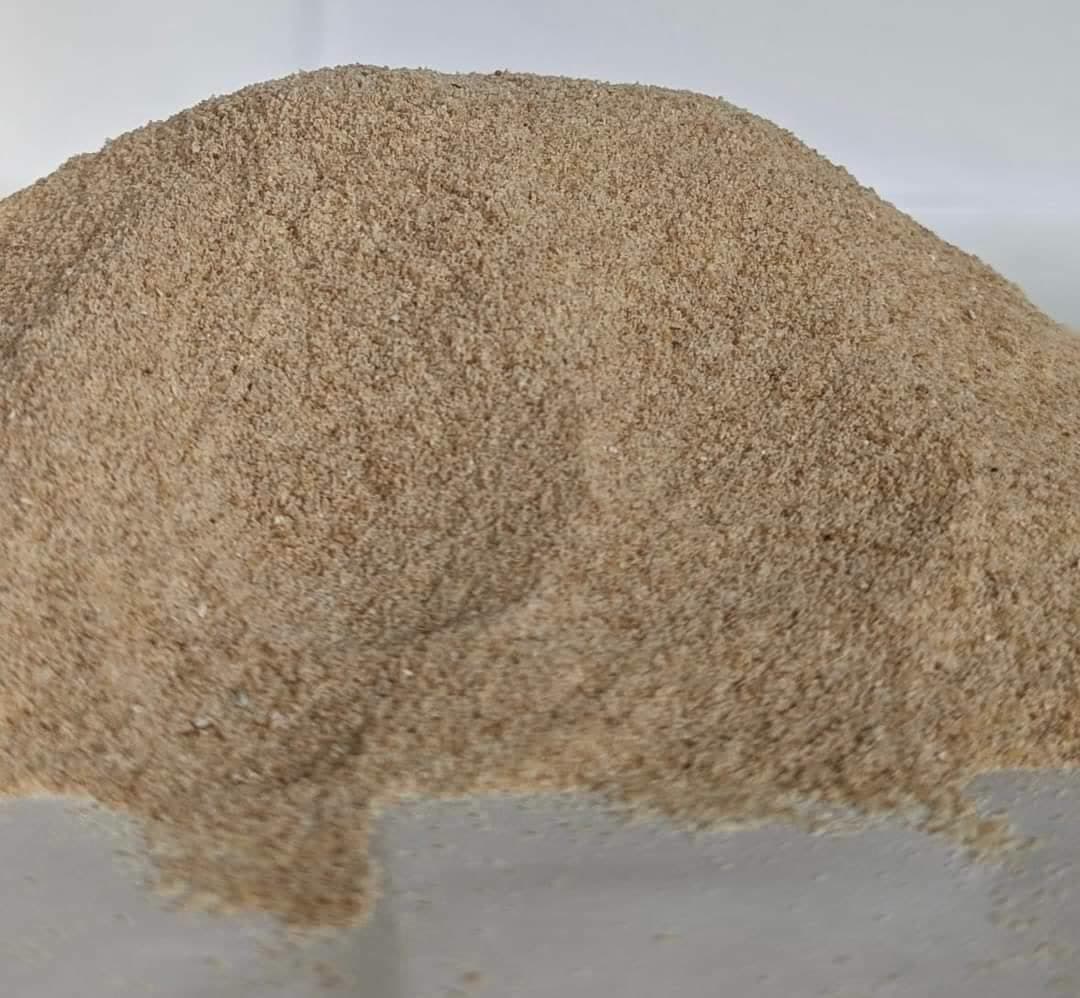
What is emmer? The ancient grain on our table
Emmer is one of the oldest forms of wheat, cultivated for thousands of years. This guide covers what sets emmer apart from common wheat, what it brings nutritionally, how to cook the whole grain properly, and how emmer flour behaves once it is in a dough.
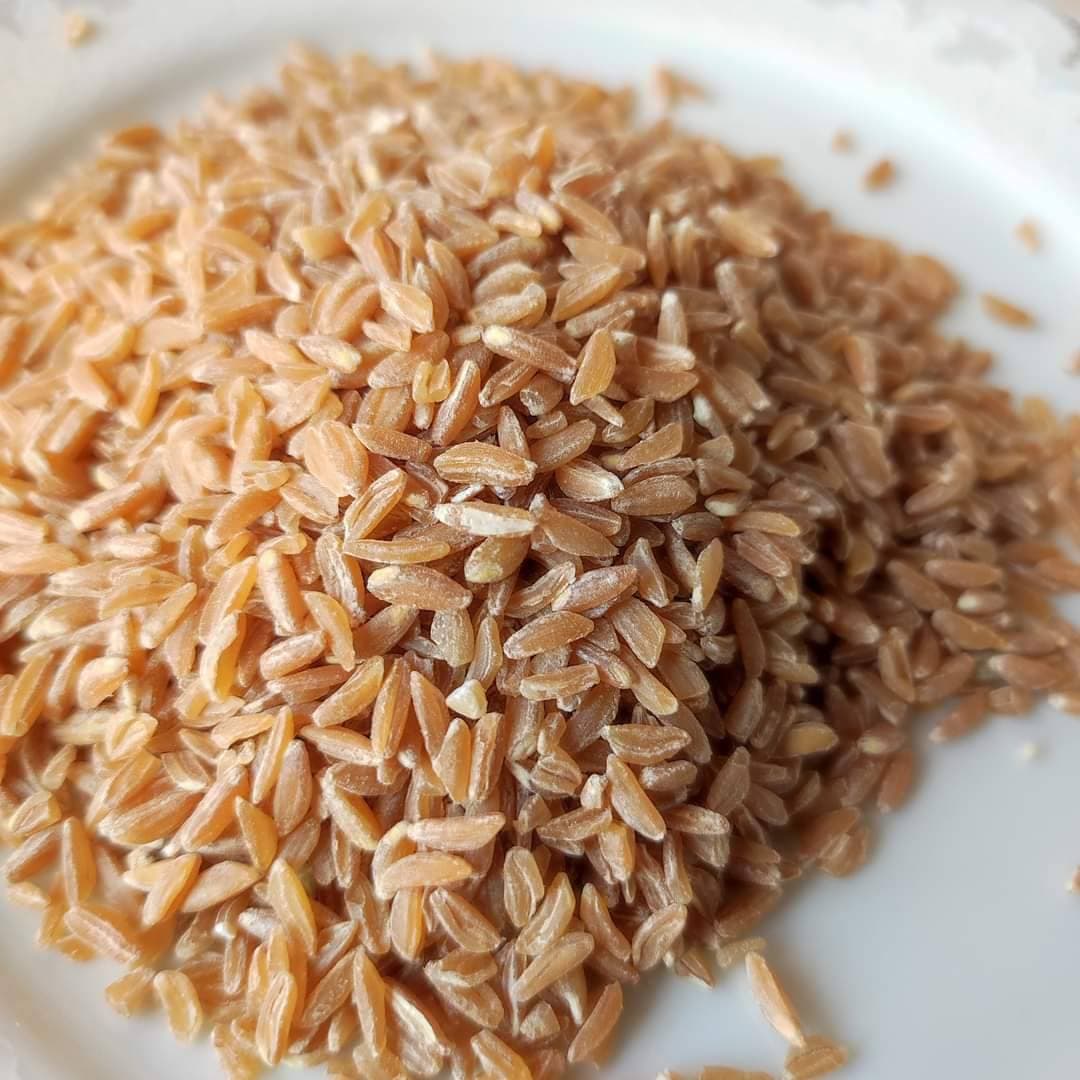
What is emmer
Emmer is an ancient hulled wheat. As it ripens, the kernel stays inside a tough husk that shields it from pests and moisture and helps preserve its natural qualities. That husk is emmer's defining feature — both its advantage and the reason it was pushed out of large-scale production in the twentieth century.
Modern bread wheat is free-threshing: the grain comes out of the husk on its own when it is threshed. Emmer does not. Removing the hull takes a separate operation, which makes processing slower and more expensive. It was precisely this technical inconvenience that led the grain industry to prefer varieties that were easier to handle.
Unlike modern high-yield varieties, emmer has undergone almost no breeding. It grows with less fertiliser, tolerates poor soils and carries a consistent, recognisable flavour. That is why it has returned to the kitchen over the last few decades as a choice in favour of natural, minimally processed food.
Emmer in the wheat family
Wheat is not one plant but several species, with different chromosome sets and different histories. Knowing where emmer sits helps set the right expectations for how it will behave in a dough:
- einkorn — the oldest, with the smallest kernel and the most fragile dough,
- emmer — a hulled, two-grained wheat: the subject of this guide,
- spelt — a hulled species that appeared later than emmer,
- durum — the pasta wheat, high in protein with a hard kernel,
- common bread wheat — what most ordinary flour is milled from.
Emmer on the Armenian Highland
The Armenian Highland lies in the zone where wheat was first domesticated. Emmer has been grown here for millennia and, until the last century, remained part of everyday food both as whole grain and as flour.
Traditional cooking used emmer exactly the way we recommend using it today: in long-cooked dishes where the grain has time to open up, and in blended flour where its flavour rounds out the neutral base of common wheat. It is that tradition that is giving emmer its place back on the modern table.
Nutritional value
Emmer stands out for its composition. Like any whole grain, it keeps the bran and the germ, and that is exactly where the most valuable components sit:
- protein — more than in ordinary soft wheat,
- fibre, which supports digestion and a longer feeling of fullness,
- magnesium, zinc and iron,
- B vitamins,
- antioxidants, concentrated mainly in the outer layers of the kernel.
Emmer and gluten
An important clarification that often causes confusion: emmer is wheat, and it contains gluten. It is not suitable for coeliac disease or a wheat allergy, and no amount of “ancient grain” changes that fact.
What genuinely differs is the quality of the gluten, not its presence. Emmer's gluten forms a more fragile network, so the dough reaches its peak faster and is easier to over-knead. In the kitchen that means a shorter knead and a gentler hand — not a health advantage.
How to cook whole emmer grain
Whole emmer takes longer to cook than dzavar or rice, but in return the grain stays separate and springy on the plate. The main rule: do not skip the soak.
- Rinse the grain in cold water until the water runs clear.
- Soak it for at least 20-30 minutes, and for several hours or overnight if you can.
- Drain the soaking water and cover with fresh cold water, roughly 1:3.
- Bring to the boil, then lower the heat and simmer covered.
- Salt at the end of cooking: salt added early slows the grain down.
- Cooked emmer is tender but keeps a slight bite in the centre.
How to bake with emmer flour
Emmer flour gives baking a deep golden colour and a mild, nutty flavour. But because its gluten network is more fragile, bread made with 100% emmer flour comes out lower and denser than bread made with common wheat. That is not a fault if it is what you want, but it can disappoint if you were expecting an ordinary loaf.
The most reliable approach is partial substitution: replace 20-30% of the flour in a recipe with emmer. You get the flavour and the aroma while keeping the structure you know. Knead it for less time than an ordinary dough and let it rest for longer — let time, rather than kneading, build the structure. For pancakes, biscuits, porridges and desserts, 100% emmer flour works perfectly well: there the gluten network is not what decides the result.
How to choose and store it
When buying whole grain, look for clean grain — free of foreign matter and without a large proportion of broken kernels. With flour, pay attention to the smell: wholemeal flours contain germ oils, and fresh flour should smell of grain rather than of bitterness.
The general rule for storing grain is a cool, dry, dark place in an airtight container. Because of the germ oils, wholemeal flours are more sensitive to heat than white flour, so in warm months they are often kept in the fridge or freezer. For the specific shelf life, always follow what the packaging states.
Emmer in a modern kitchen
Emmer has come back into both restaurant and home cooking over the last few decades for two reasons. The first is flavour: the nutty, faintly sweet note makes it an ingredient in its own right rather than a neutral base. The second is texture: once cooked, the grain stays springy instead of collapsing into purée, which matters for salads and plated dishes.
The simplest way to try emmer is to use it in place of rice or dzavar in a dish you already make. Cooled cooked emmer works well in a salad with tomatoes, cucumber and herbs, where olive oil and lemon juice open up its flavour. Served warm, it pairs well with mushrooms, courgettes and cooked lentils.
Emmer or dzavar?
Both are wheat grain, but from different species and processed differently. Dzavar is coarsely cracked common wheat: it cooks in about 20 minutes, needs no soaking and is softer and crumblier. Emmer is the whole grain of a different wheat: it needs soaking and a longer simmer, but carries a more pronounced flavour and stays on the plate as a separate grain. For everyday pilaf and porridge dzavar is more practical; when you want the grain to be the main character of the dish, choose emmer.
At Hatik Hatis you will find whole emmer grain, flour milled from 100% pure emmer, and natural wheat dzavar — all in 3, 5 and 10 kg bags.
Emmer and modern plant breeding
Emmer being “ancient” is not a marketing label but an agronomic fact. Modern bread wheat varieties were created over the last hundred years, largely for yield, disease resistance and ease of mechanised harvesting. Emmer took no part in that selection: its genetics are essentially what they were thousands of years ago.
In practical terms that means two things. First, the yield is lower, so emmer will always cost more than common wheat. Second, its properties are steadier from year to year, because there is no stream of new varieties changing the flavour or the way it behaves in a dough.